Advanced Bozeman Insulation CompanyAdvanced Bozeman Insulation Company(406) 414-0411

Licensed insulation contractor in Bozeman MT - warmer rooms, fewer drafts

Advanced Bozeman Insulation Company handles attic insulation and air sealing for drafty houses in Bozeman and the cities around it, like Belgrade and Livingston. We also clear out old attic insulation and insulate crawl spaces under cold floors.

Air sealing comes first
We close the gaps before any insulation goes down.
Looked at in person
We flag what needs fixing before anything gets covered.
Planned around your day
We work around your furniture, your pets and your routine.
Straight answers
Even when the right move is fixing something else first.
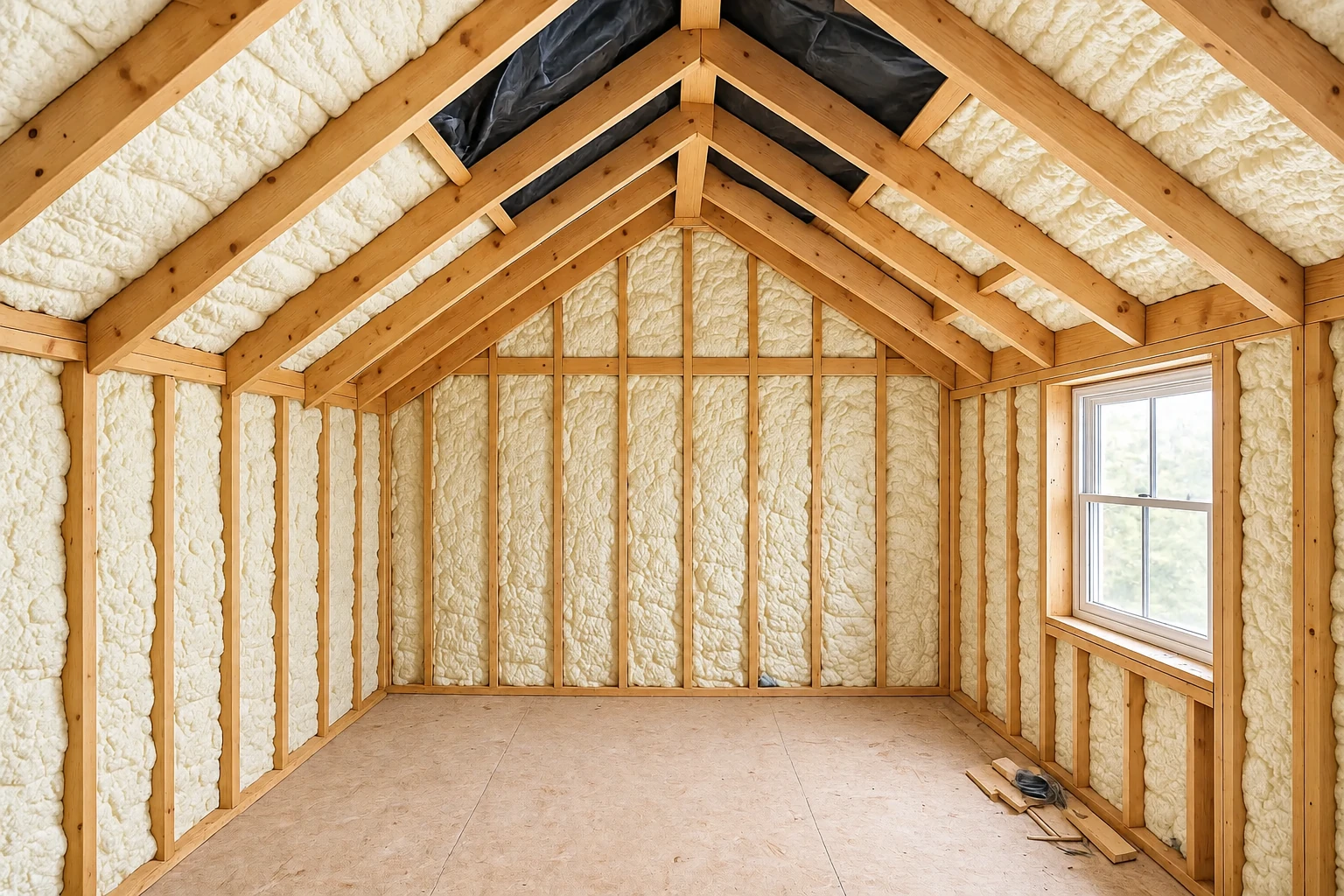
Unfinished attic with white spray foam insulation between wooden roof rafters and wall studs, beside a window.
  • Fully licensed and insured.
  • Free quotes on site.
  • We reply within 1 business day.

Insulation contractor in Bozeman MT for attics, walls and crawl spaces

Advanced Bozeman Insulation Company is an insulation contractor in Bozeman, MT, with 16 services for cold rooms, drafty houses and attics nobody has checked in years. Price mostly comes down to the size of the space, how many inches are already up there, whether old material has to come out and how much air sealing the house needs to close its gaps first, plus whether foam or loose fill suits the job. The schedule turns on the same things, along with any repairs that have to happen before anything gets covered. Your free on-site estimate spells out what we'd do and why.

  • Spray foam insulation

    Spray foam expands into gaps and hardens in place, so it insulates and seals air in one pass. It's the go-to for rooflines, rim joists and tight spots where loose fill won't stay put.

    Explore service
  • Attic insulation

    Is it hot upstairs in summer and cold in winter? We seal the gaps in the attic floor, then bring the insulation up to an even depth all the way out to the edges, where it's usually thinnest.

    Explore service
  • Blown-in insulation

    Blown-in insulation is loose fill blown through a hose, so it settles around joists, wires and odd corners that batts leave open. It's a sensible way to top up an attic that already has some insulation in it.

    Explore service
  • Home insulation

    For a house that's drafty all over, we look at the attic, walls, crawl space and basement together. Then we put the fixes in the order that makes sense for your house, not the order that's easiest for us.

    Explore service
  • Insulation removal

    Old insulation that got soaked or filled with droppings doesn't get better with a fresh layer on top. We bag it out, clean up and leave the space ready for new material.

    Explore service
  • Crawl space insulation

    Cold floors usually start underneath. We insulate the crawl space walls or the floor above them, depending on how your crawl space is built and vented.

    Explore service
  • Wall insulation

    Walls in an older house are often empty or only thinly filled. We fill them through small openings that get patched afterward, so the room warms up without tearing out the drywall.

    Explore service
  • Air sealing services

    Air sealing is closing the gaps around can lights, pipes, wiring and the attic hatch before any insulation goes in. It's the step that keeps warm air from slipping past whatever gets laid on top.

    Explore service
  • Basement insulation

    We insulate basement walls and rim joists, the framing that sits on top of the foundation, so a finished or half-finished basement stops feeling like a cellar.

    Explore service
  • Closed-cell foam insulation

    Closed-cell foam is a dense foam that blocks moisture as well as air, which suits rim joists, basement walls and spots that tend to stay damp. It costs more, so we use it where that density earns its keep.

    Explore service
  • Open-cell foam insulation

    What's open-cell foam for? It's a softer, lighter foam that fills odd cavities and seals air, and it fits rooflines and interior walls where moisture isn't the worry.

    Explore service
  • Commercial insulation

    We insulate shops, offices and small commercial buildings the same way we do houses. Sealing comes first and covering comes second.

    Explore service
  • Crawl space vapor barrier

    A crawl space vapor barrier is heavy plastic laid over the dirt and up the walls, so ground moisture stays out of the framing and away from the floor above.

    Explore service
  • Vapor barrier installation

    We put up vapor barriers in walls, basements and other spots where moisture could reach the framing. Placement matters, because a barrier on the wrong side can trap water instead of stopping it.

    Explore service
  • Attic air sealing

    Is the room over the garage always cold, or does the hatch let in a draft? Attic air sealing closes the leaks between the house and the attic, and we keep the eave vents clear so the attic can still breathe.

    Explore service
  • Retrofit insulation

    Retrofit insulation is adding insulation to a house that's already built and lived in. It's the work I switched to after new construction, and it means working around finished walls, furniture and your routine.

    Explore service

Insulation work, up close

These photos show the kinds of insulation work we do, from blown-in attics to foam in rim joists and crawl spaces. They're examples of the trade, so ask us what your own house needs.

Partly insulated unfinished room with pink batts in one wall, foil-faced insulation on another, and exposed ceiling framing.
Worker applies white spray foam insulation to the underside of a roof in an exposed timber attic.
Crawl space with a plastic vapor barrier covering the floor and rigid insulation panels lining the foundation walls.
Crawl space vapor barrier covers the floor and wraps around masonry support piers beneath insulated ducts and wooden joists.

Why Bozeman homeowners call us about cold rooms and drafts

Most calls start with a cold room, a drafty house or an attic nobody has looked at in years. Here's how we handle those jobs, and why the order of the work matters most.

We seal the leaks before we insulate

Insulation slows heat, but it doesn't stop air. If warm air is leaking through the gaps around can lights, pipes, wiring and the attic hatch, it walks right past whatever you pile on top, and the power bill stays where it was. So we close those gaps first. Air sealing isn't the glamorous part. Nobody shows off their caulk. It's the part that makes the rest work.

Then we fix what's wrong before anything gets covered. Old material that got soaked or filled with droppings comes out, because fresh insulation over it just hides the problem. We keep the eave vents clear so the attic still breathes, and we spread the new layer evenly, edges included, since the edges are where it usually ends up thin.

  • A straight answer, even when it's no

    Sometimes the best move is fixing a roof leak or a bathroom fan that vents into the attic, or leaving a job alone. We'll tell you that, because insulation laid over a problem only hides it until it shows up somewhere worse.

  • Planned around a lived-in house

    We started in new construction, where nobody lives in the house yet. Yours has furniture, pets and a daily routine, so we plan the work around them, protect the path from the door to the attic and pick up after ourselves before we leave.

  • Foam only where it pays off

    Foam costs more, and it seals air while it insulates. In most attics, sealing the gaps and topping up the loose fill is the better buy. When your ductwork runs through the attic, foam usually earns its price, and we'll say which camp your house falls in.

  • Permits checked for each job

    We check with the city or county building office for each job and handle the permit when one's needed, so that's one less thing for you to chase. Questions about your own project? Call (406) 414-0411 and we'll point you to the right office.

What happens after you call us about insulation

The order of the work matters to us, and so does the order of the visit. Here's what happens from your first call to the walk-through at the end, and who you'll see at each step.

  1. Call or send the form

    Call (406) 414-0411 or send the form and tell us what you've noticed, like a cold room, a drafty hallway or an attic nobody's opened in years. The age of the house helps too, if you know it. We get back to you within one business day to set up a visit.

  2. I look at it in person

    I come out and look at the attic, walls, crawl space or basement myself, and I note anything that has to be fixed first, like wet insulation, droppings or buried eave vents. You get a free written estimate that says what we'd do, in what order and why, with no obligation.

  3. The crew does the work

    Our crew works through the estimate in the order it lays out, fixing and sealing before anything gets covered. If the job calls for spray foam, we tell you the re-entry time, when you, the kids and the pets can come back inside, before we start so you can plan the day.

  4. We walk through it together

    When the job's done, we walk through it with you before the attic hatch closes on it for good. You see what got sealed, what came out and how deep the new layer sits. If something doesn't look right to you, that's the time to say so.

Who we are, and how we're licensed and insured

I spent my first years in the trade insulating new houses, then switched to homes people already live in, where the attic holds more surprises than the framing ever did. I started Advanced Bozeman Insulation Company in 2023, and we're based in Bozeman. Since then it's been attics, crawl spaces and the occasional mouse that thought it had signed a lease.

We're fully licensed and insured, and it's satisfaction guaranteed on every job. We stay small on purpose. A small crew led by our lead installer does the work, and I'm on most jobs too, so the person who wrote your estimate usually sees it through. There's more about us and how we work.

  • Attics, walls, crawl spaces and basements in homes people already live in.
  • Spray foam, blown-in and vapor barriers, with air sealing done first.
  • Commercial insulation for shops, offices and small buildings as well.

Insulation work in Bozeman and the cities around it

Advanced Bozeman Insulation Company is based in Bozeman, MT, and works across the cities around it. Four cities have their own page here, including Belgrade and Livingston. They aren't the only places we go, so call if you're nearby.

Questions Bozeman homeowners ask about insulation

These are the questions that come up on the first call, about estimates, getting the house ready, how the work goes and how to compare quotes. If yours isn't here, ask us.

How much does it cost to insulate an attic in Bozeman?

It depends on your attic, so we price it after a free on-site look instead of guessing over the phone. Removal and air sealing often move the number as much as the new insulation does, and a hard-to-reach attic takes more time. You get the figure in a written estimate with no obligation.

How do I get my house ready for insulation work?

Clear a path to the attic hatch or crawl space entry, and move anything stored right under it. If you keep boxes in the attic, tell us at the estimate so we can plan where they go. Put pets in a room we won't need that day.

Do we have to leave the house while insulation is installed?

For blown-in insulation and air sealing, you usually don't have to leave, though it gets dusty near the hatch. Spray foam is different. You, the kids and the pets stay out until the re-entry time we give you is up.

Should old insulation be removed before adding new insulation?

Only when it's soaked, moldy or full of droppings, because new insulation on top of that just keeps the problem. If the old layer is dry and clean, we usually seal the gaps and add on top of it. I check which it is at the estimate.

Do I need a permit to insulate my house in Bozeman?

It depends on the job, and the City of Bozeman Building Division is the office that issues building permits in the city. It takes questions about permits, plans and inspections at (406) 582-2375 ext. 1. We check before each job, so you don't have to sort it out alone.

What should I compare between two written insulation estimates?

Compare what each one says gets done before anything is covered, like air sealing, removal and keeping the eave vents clear, not just how many inches go on top. Montana now requires construction contractors to be licensed with the Montana Department of Labor & Industry, so ask each one about it. Ours spells out the order of the work.

Tell us about the insulation job you have in mind

Send the form, call (406) 414-0411 or reach us through the contact page, and we'll reply within one business day. I'll come look myself, then write up a free estimate of what we'd do and why, with no obligation.

(406) 414-0411
(406) 414-0411Get an estimate