
Home insulation in Bozeman MT - a warmer house, insulated in the right order
Cold rooms, drafts or a high power bill usually trace back to the attic. We seal the gaps first, then insulate where it pays.
Where should you insulate first in a cold Bozeman house?
Home insulation in Bozeman means adding insulation where your house loses heat, usually the attic first, then the floors and exterior walls, after the gaps that leak warm air are sealed.
Most calls start with a cold room, a hot upstairs in July or an attic nobody's looked at in years. It's rarely just one spot, so I look at the whole house and tell you which part to do first, attic, walls or floors, and your money goes where it helps most.
The price and the schedule both turn on how much of the house we take on and what we find once we're up there, and your written estimate spells out both before anything starts. Montana requires construction contractors to be licensed with the state Department of Labor & Industry, and we're fully licensed and insured.
- Attics: we check what's already up there, seal the gaps and bring the depth up evenly.
- Exterior walls: finished walls can usually be filled without tearing out drywall or siding.
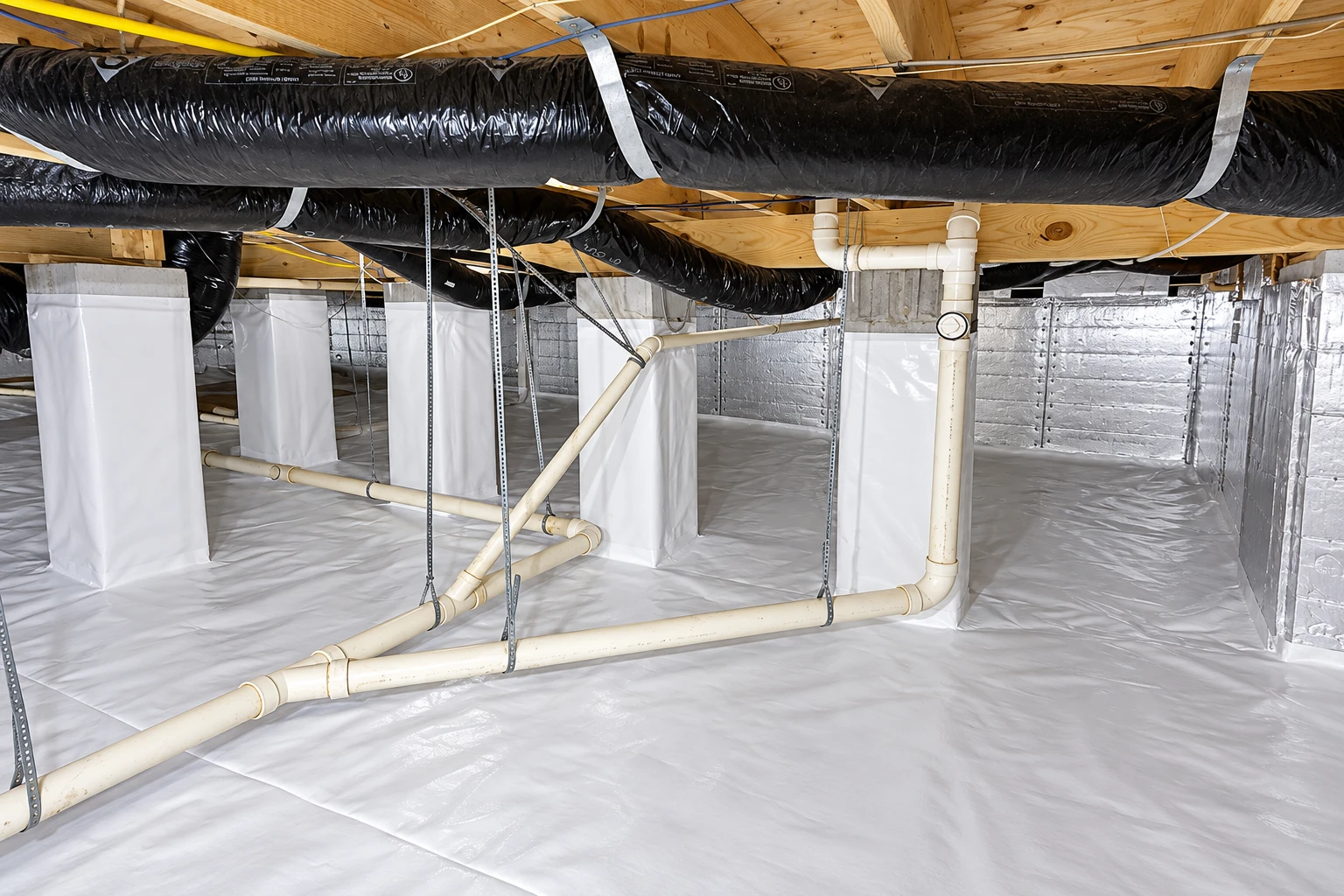
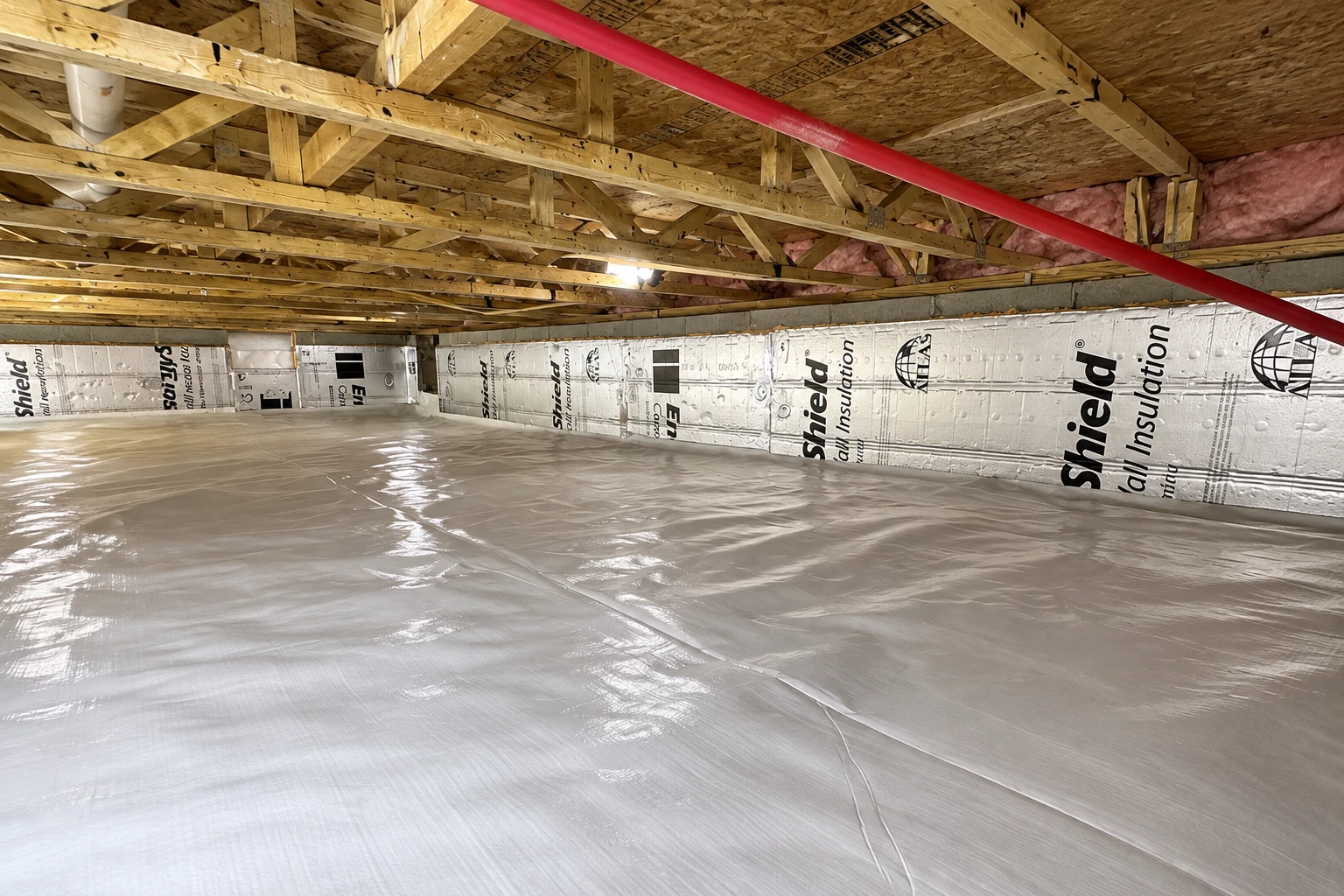
- Floors: we insulate below floors that sit over a crawl space, so rooms stop feeling cold underfoot.
What happens when you call about insulating your house?
I look at every house myself before anyone quotes a number, and our crew doesn't start until you've seen the plan in writing. Here's how it goes from the first call to the final walkthrough.
Call or send the form
Call (406) 414-0411 or use the form, and we'll get back to you to set a time. Tell us which rooms run cold and how old the house is, so I know where to start looking.
I look at the house myself
I check the attic, walls, crawl space or basement, including how many inches are already up there and what shape they're in. Attics are where the surprises live, so anything that has to be fixed before it gets covered goes in my notes.
You get a written estimate
It says what we'd do, in what order and why, so you can see which part of the house buys the most warmth for the money. You know the price before anything starts, and you can do the attic now and the walls later if that suits you better.
We do the work, then walk through it
A small crew led by our lead installer does the job, and I'm on most of them too. When it's done, we walk through it with you and leave the place picked up.
What home insulation work looks like inside a house
These photos show the kind of work this job involves, from sealed gaps and clear eave vents to attics filled evenly out to the edges. They show the trade in general, not one particular house.
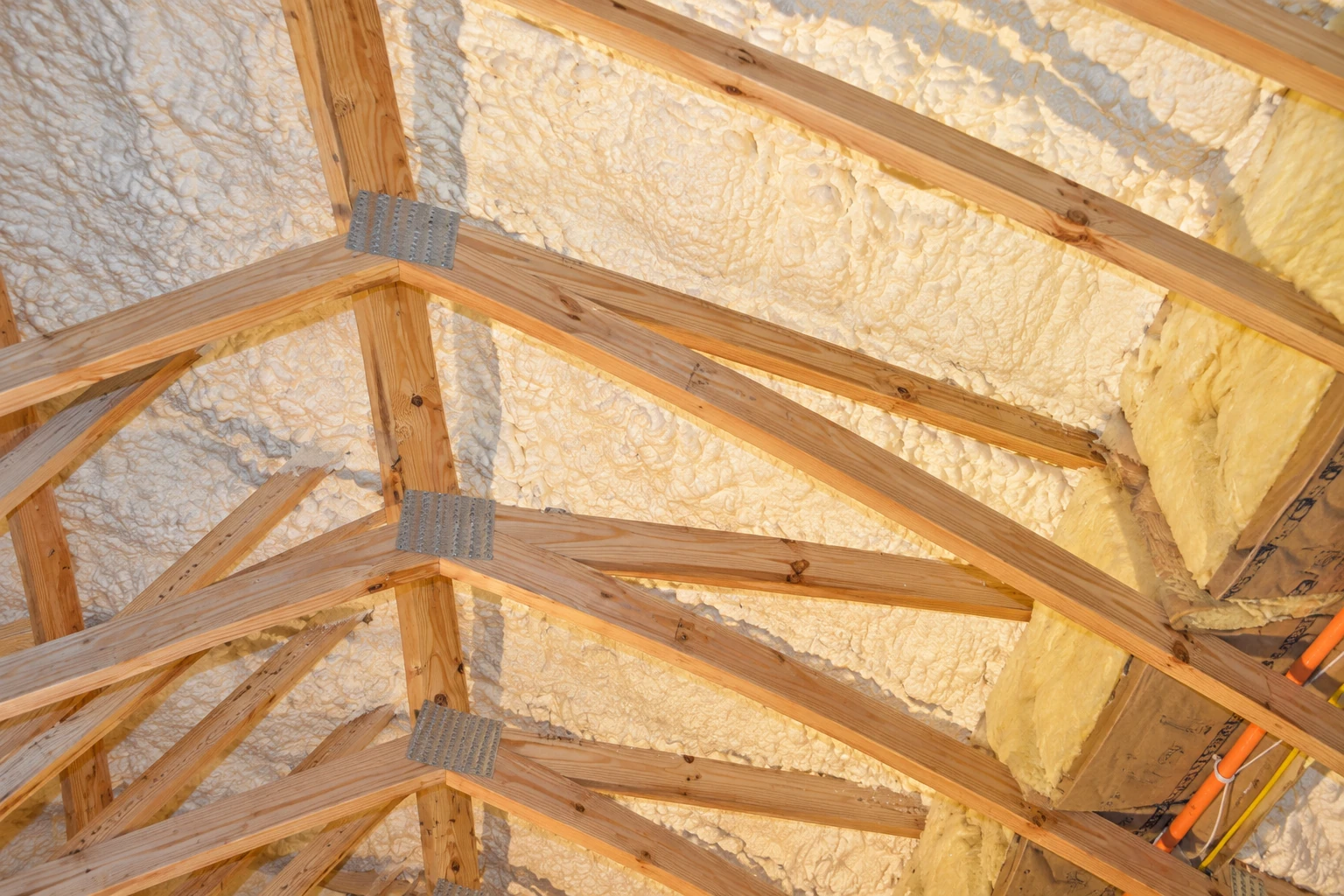
Thick white spray foam coats the underside of a roof, covering the rafters and a crossbeam.
White spray foam fills the roof framing around exposed wooden beams and bundled black cables.
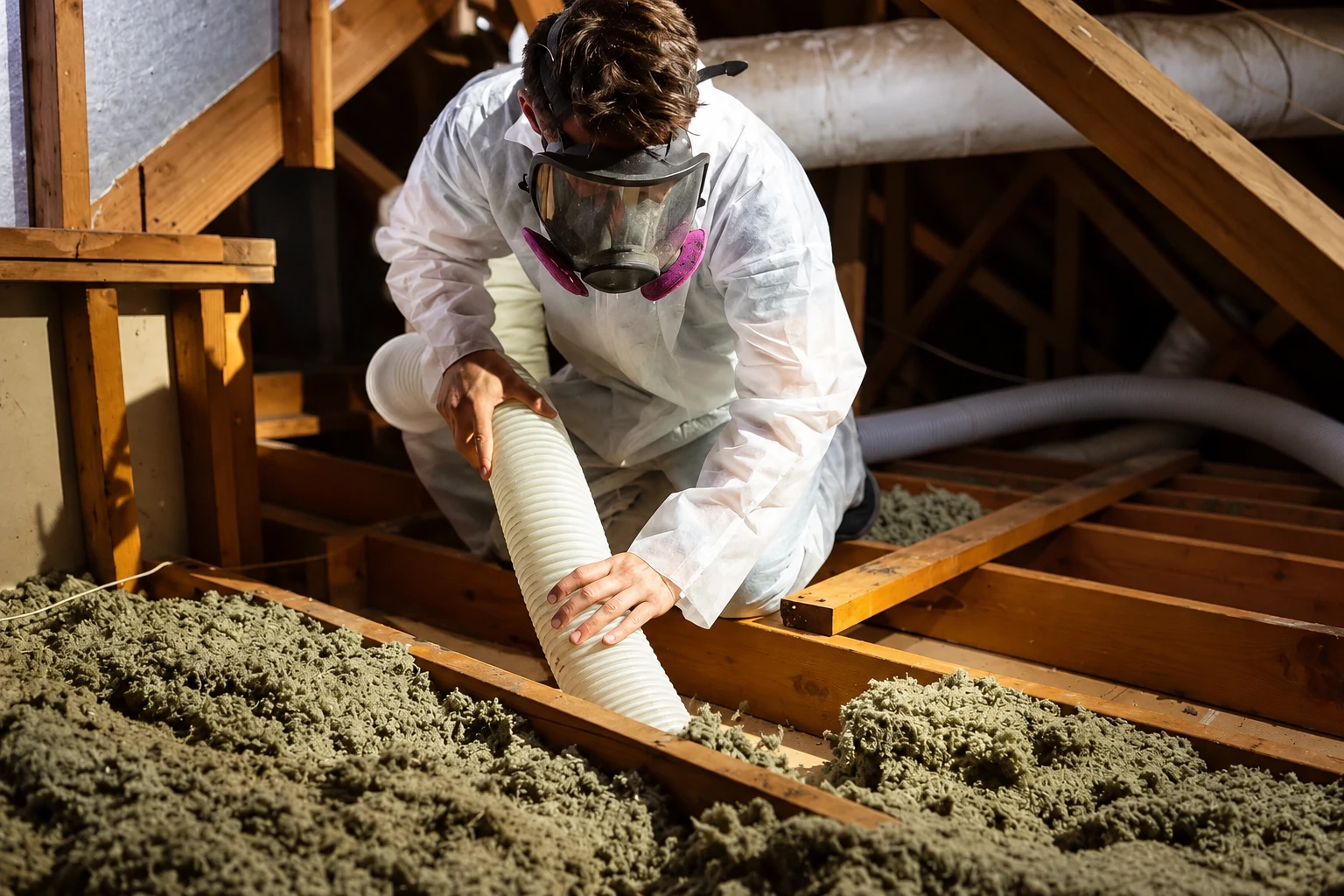
Loose-fill insulation blankets an attic floor beneath exposed wooden roof trusses.
Foam insulation fills the wall cavities between exposed wooden studs in an unfinished room.
A sloped attic is coated in thick white spray foam around a central support post and small window.
A basement has insulated walls and ceiling, exposed ductwork, windows, and utility equipment.
Get a written plan for insulating your house
Send the form and we'll reply within one business day to set up a free, no-obligation visit. Mention your house's age, the cold rooms, any vaulted ceilings, possible vermiculite or plans to re-side, and I'll look at those first.
(406) 414-0411Questions Bozeman homeowners ask about insulating a house
These are the questions that come up most when I'm looking at a house around Bozeman. If yours isn't here, call (406) 414-0411 and ask.
Should I seal air leaks before adding attic insulation?
Yes, because new attic insulation won't save much money or add much warmth while air and moisture keep moving up from the rooms into the attic. A good job seals the usual leak spots first, the tops of walls, pipes, heating ducts, light fixtures and wires, and that's the order our crew works in.
How much insulation does a Montana home need?
Montana guidance for existing homes calls for at least R-38 in the attic, R-19 in floors and R-11 in exterior walls, with R-value being how well insulation slows heat. Those levels give you a target for each part of the house when you compare quotes, and I'll tell you how close yours is after I've looked.
What is the best way to insulate walls without opening them up?
Drill and fill is the common way, and it's fairly easy on the house. Small holes go in near the top of each wall cavity and get filled with blown-in insulation, from inside or outside, so if you're planning new siding, that's the ideal time to do it from the outside.
What if my attic has vermiculite?
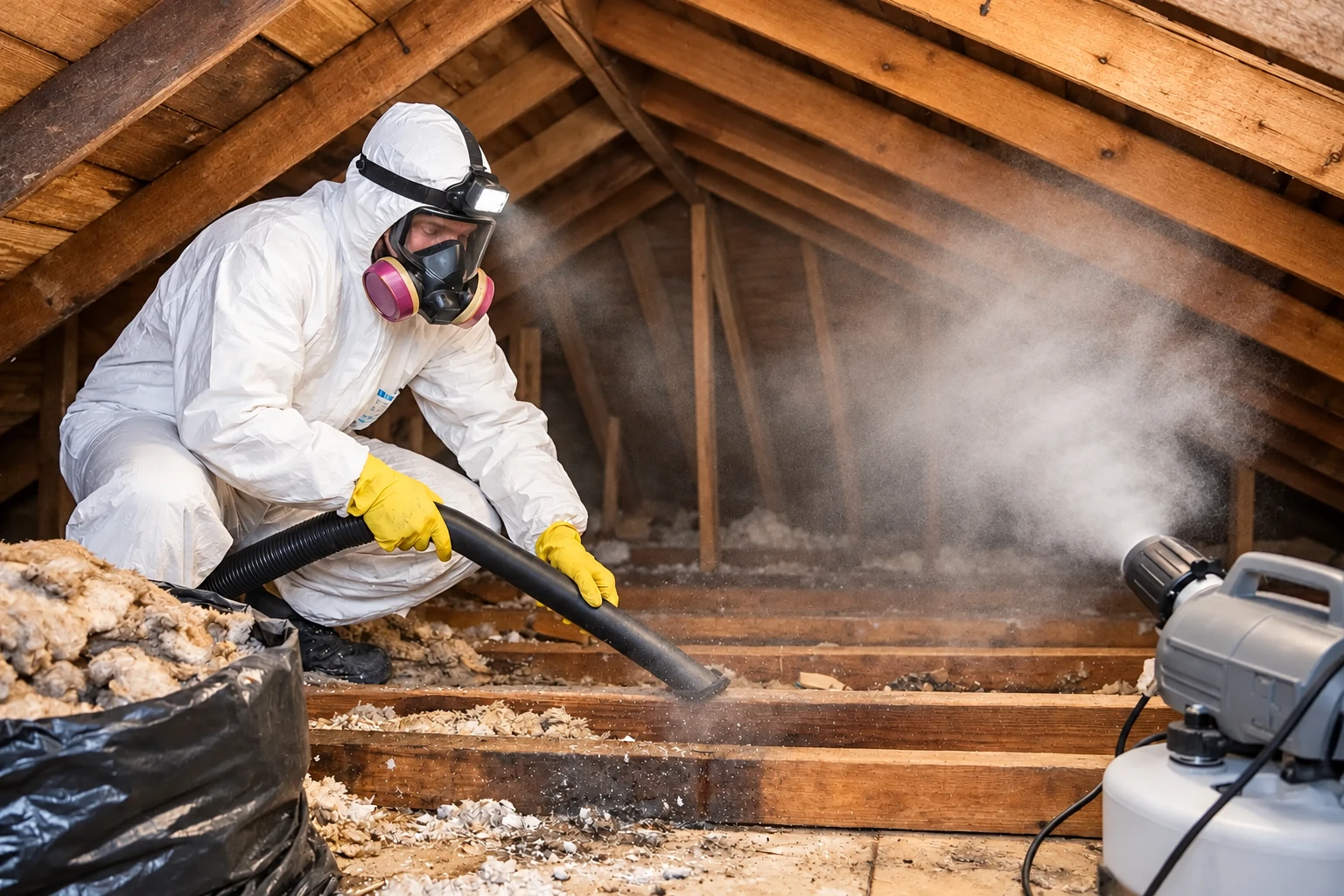
Leave it alone, because the EPA advises keeping vermiculite undisturbed, since stirring it up could release asbestos fibers you'd breathe in. It may be in thousands of Montana attics, and it looks like a pebbly pour-in fill, usually gray-brown or silver-gold, which you can look at without touching. If you choose removal, the EPA says a trained, accredited asbestos abatement contractor should do it, separate from whoever assessed it, so we hold off on attic work until that's settled.
How much does home insulation cost in Bozeman?
The price comes down to how many parts of the house we insulate, how much is already there, whether old material or repairs come first, and whether you go with loose fill or foam. Foam costs more, and tight spaces like vaulted ceilings take more work than an open attic. If your income is limited, you may qualify for free insulation through weatherization help, so ask your local utility, the Human Resources Development Council, a tribal weatherization office or your county's MSU Extension office.
How long does home insulation take, and do we have to leave the house?
Time on site depends on how much of the house we're doing, and whether you leave depends on the material. One installer writing in Fine Homebuilding says people can keep living at home while dense-pack cellulose goes into walls, unlike spray foam jobs that clear the house, and that dense-pack can go in below freezing without paying for temporary heat. If foam is part of your job, your estimate covers re-entry time, the wait before you, the kids and the pets can come back inside.
Home insulation in Bozeman and the cities around it
Bozeman sits in the cold, dry climate that covers all of Montana, so an attic that leaks warm air shows up fast on the power bill. We do the same work in Belgrade, Four Corners and Livingston.