Attic insulation in Bozeman MT - sealed and fixed before anything gets covered
Cold rooms upstairs or a drafty house usually start in the attic. We fix what's up there first, then insulate it properly.
Does my Bozeman attic need more insulation?
Attic insulation in Bozeman, MT means adding insulation over your top-floor ceilings to bring an existing attic up to a recommended level, so the rooms below stop losing heat through the top of the house.
Most calls start with a cold room over the garage, a hot upstairs in July or a power bill that won't come down, and the attic is usually where it starts. Often nobody has been up there in years, which is how attics like it. If drafts are the main complaint, attic air sealing may be most of the fix.
The price depends on how many inches are already up there, what has to be fixed or pulled out before anything new goes in, and how easy the attic is to move around in. The schedule depends on the same things, plus any permit and inspection the city wants, and your written estimate lays out the work and the order we'd do it in. Montana requires construction contractors to be licensed with the state, and we're fully licensed and insured.
- I measure the inches already up there, since that decides how much we add.
- We pull out soaked or droppings-filled insulation instead of burying it under fresh material.
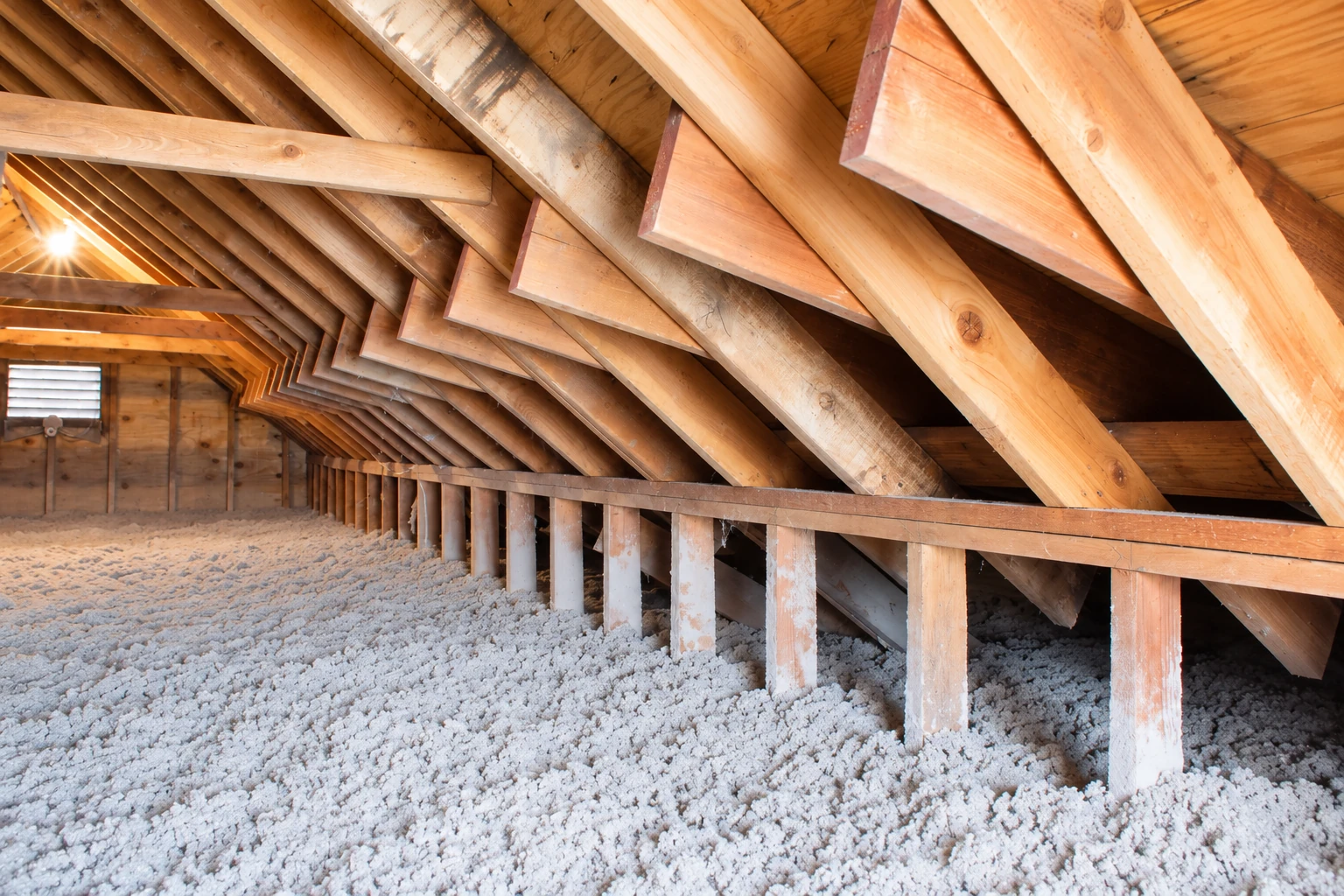
- New insulation goes in at full depth all the way to the edges, not piled in the middle.
What happens after you call us about your attic?
You deal with the same small outfit from the first call to the final walk-through. Here's how a typical attic job runs and who does what along the way.
Call or send the form
Call (406) 414-0411 or send the form and tell us what's bothering you, like cold floors, a hot upstairs or a climbing power bill. We get back to you and set a time for me to come out.
I come out and look
I go up into the attic myself, measure what's already there and note anything that has to be fixed first, like a soaked patch or droppings. Attics keep their secrets well, so this is the part I don't rush.
You get a written estimate
The estimate lists what we'd do and in what order, priced from what I actually found and not from a guess over the phone. If the city needs to inspect anything before it's covered, that goes into the plan.
We seal, insulate, walk through
A small crew led by our lead installer does the work, and I'm on most jobs too. We work around your things, clean up after ourselves and walk through the finished attic with you.
What attic insulation work looks like up close
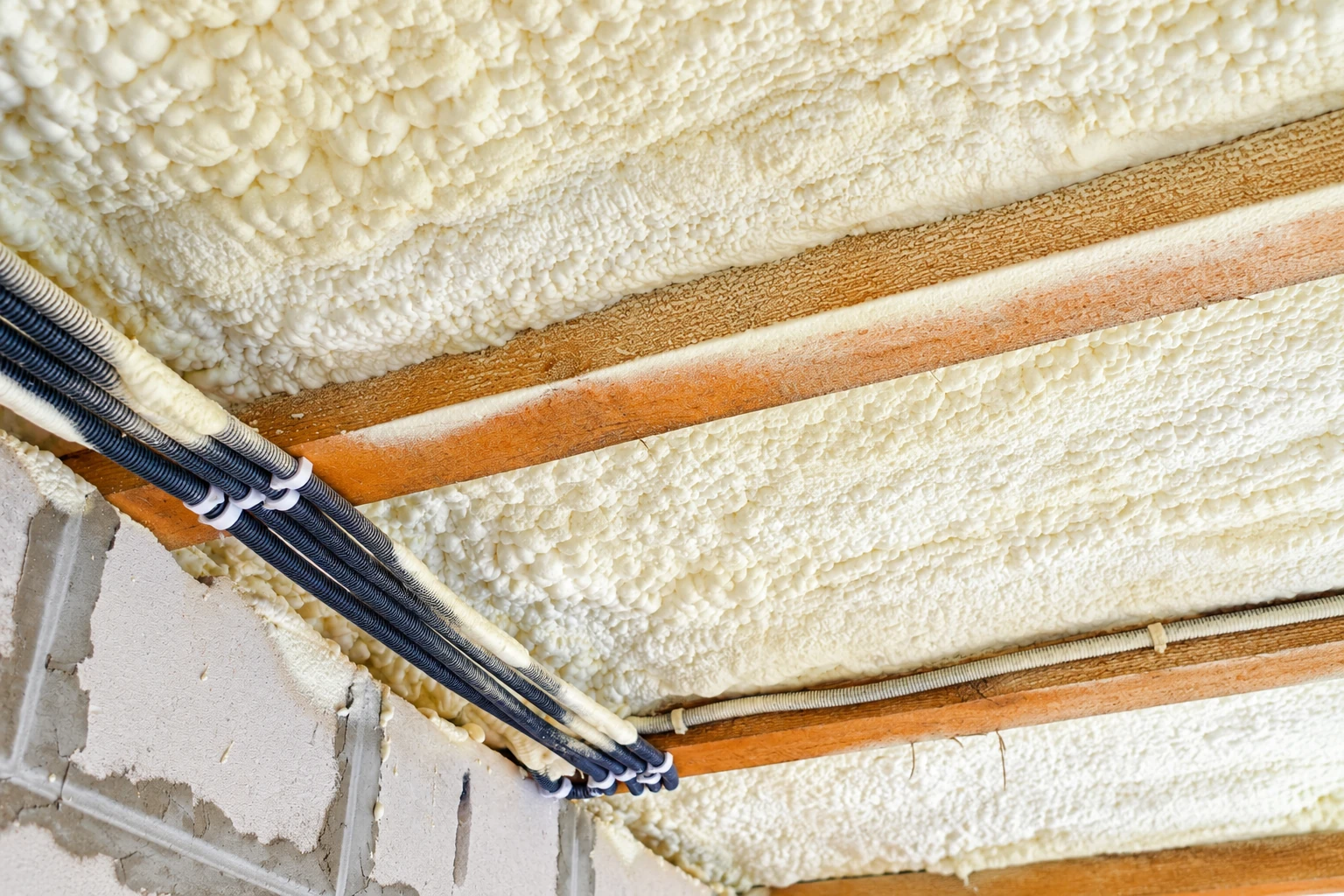
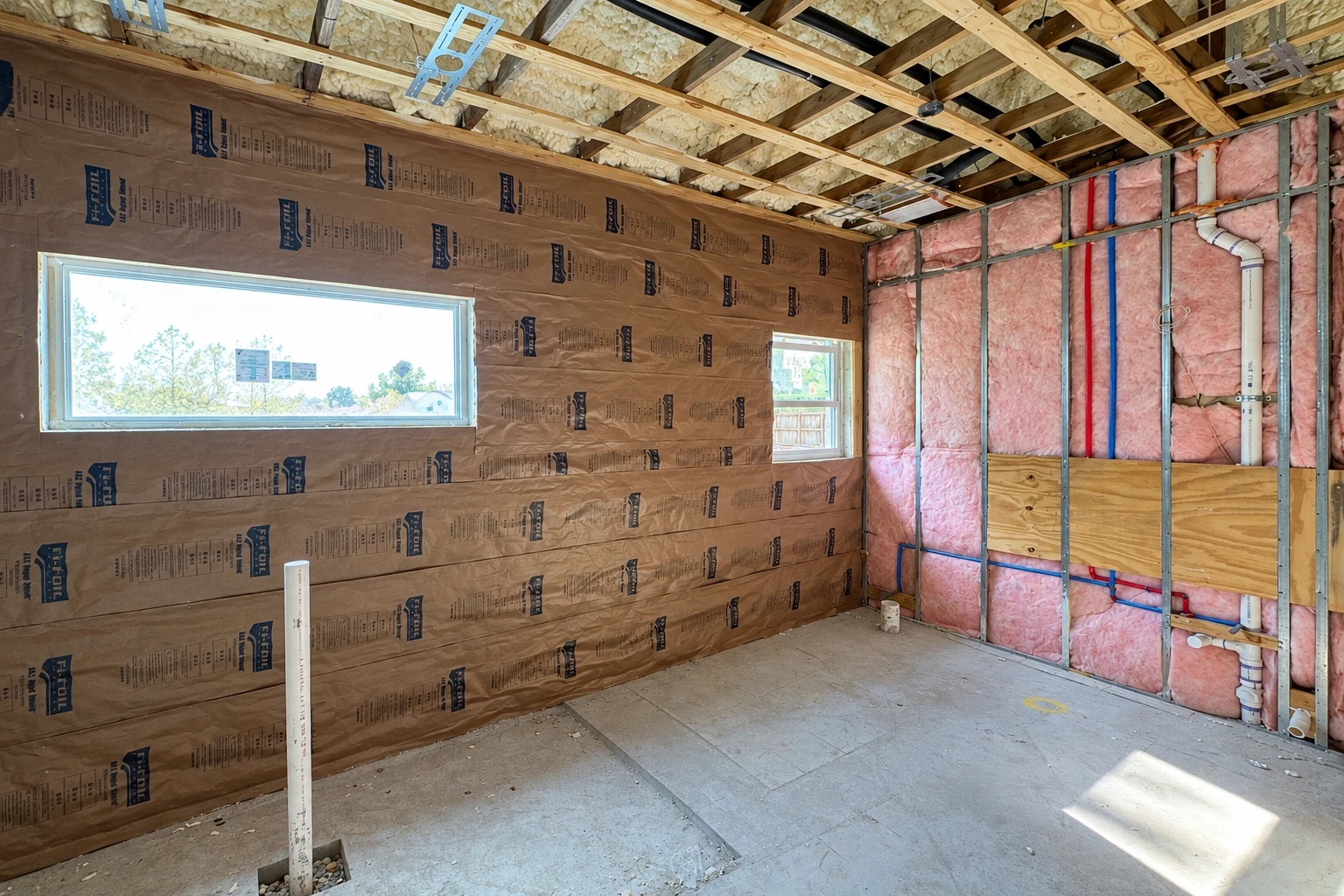
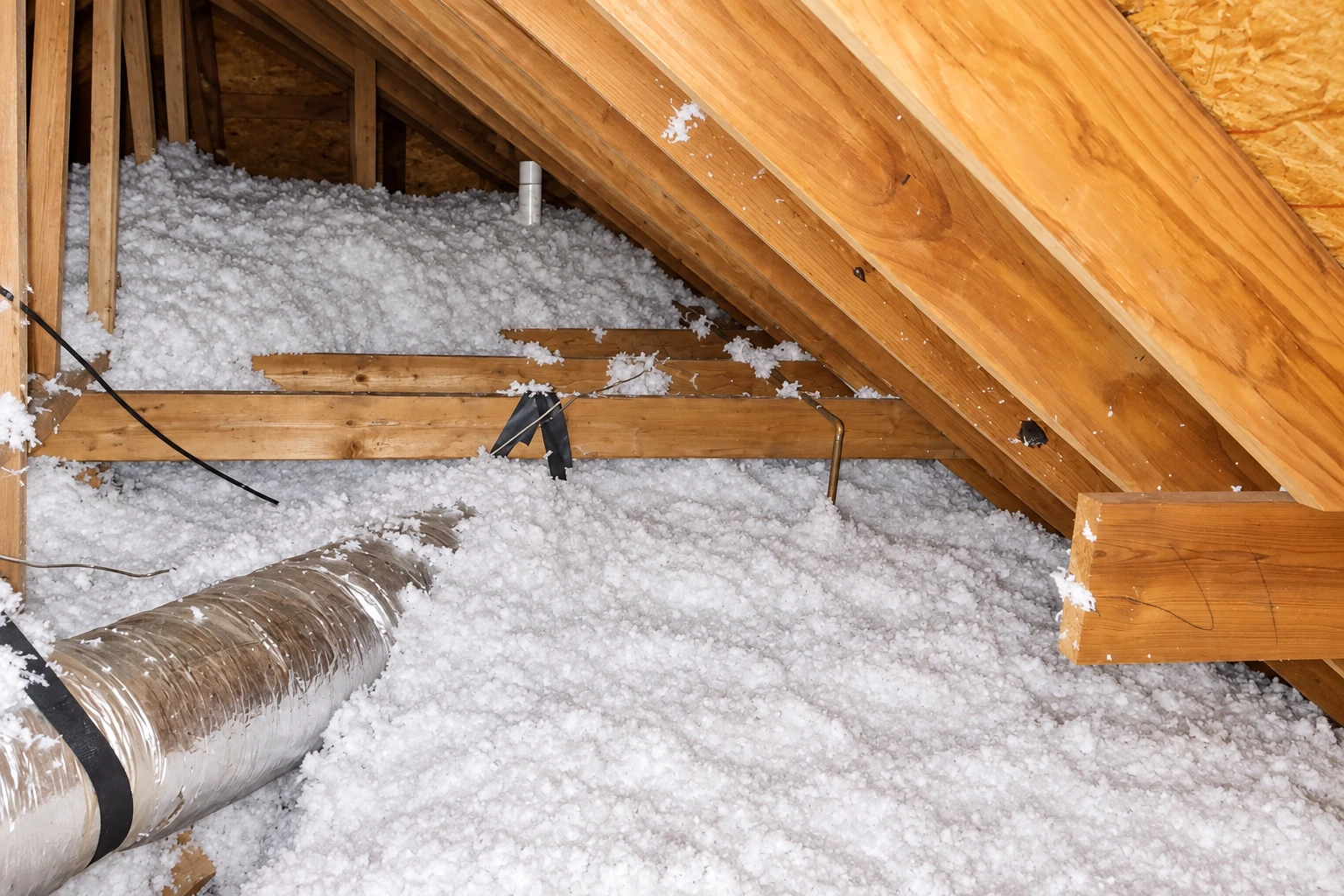
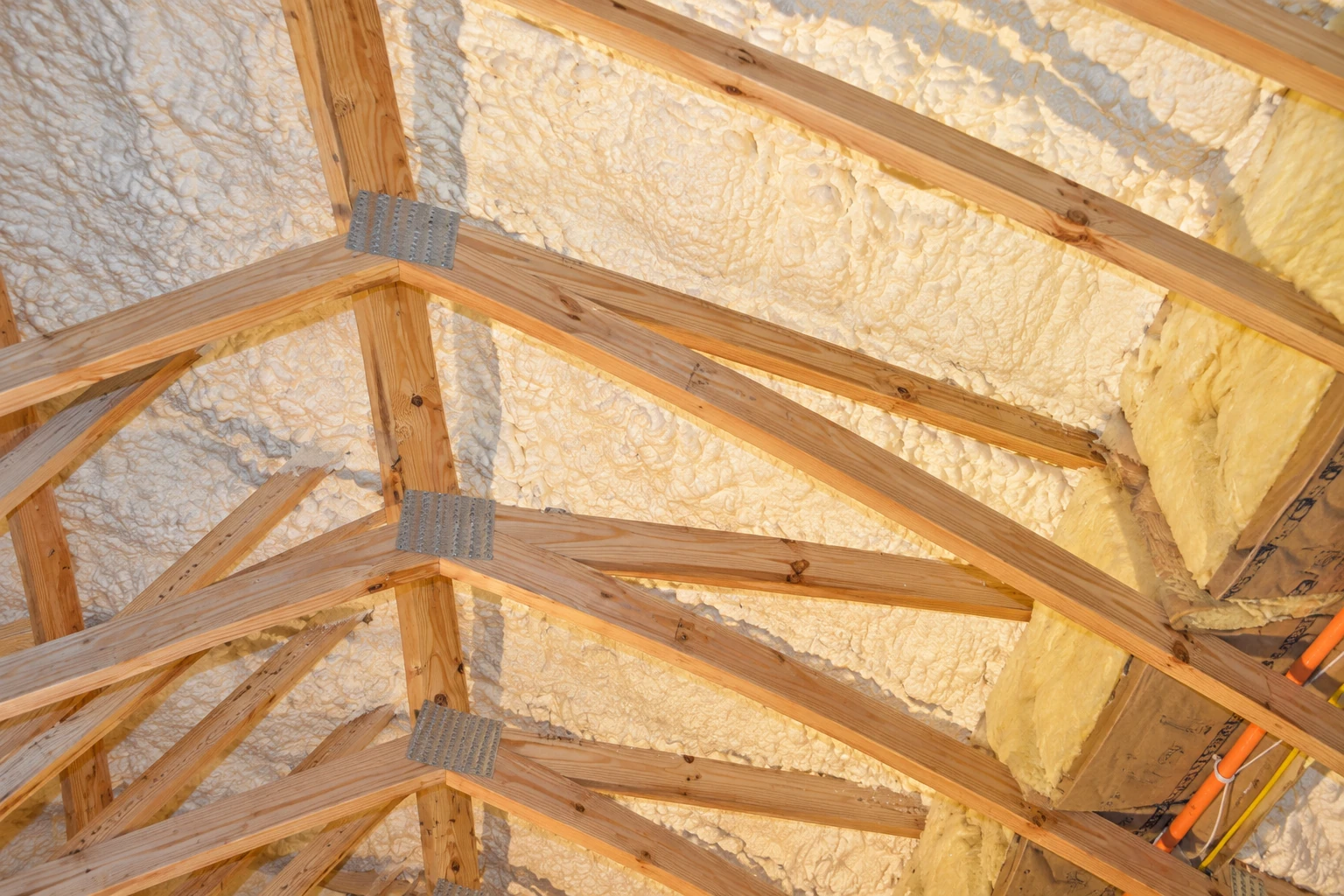
These photos show the kind of attic work this page talks about, from sealing gaps around lights and pipes to loose fill going in at an even depth. They show the trade, not one particular house.
Thick white spray foam coats the underside of a roof, covering the rafters and a crossbeam.
A worker in protective gear guides a large hose through loose attic insulation during removal.
A crawl space has a white vapor barrier across the floor, insulated walls, black ductwork, and exposed plumbing.
Foam insulation fills the wall cavities between exposed wooden studs in an unfinished room.
A sloped attic is coated in thick white spray foam around a central support post and small window.
A basement has insulated walls and ceiling, exposed ductwork, windows, and utility equipment.
Get an attic check and a written plan for your house
We reply within one business day. Then I come out, look at your attic for free and write up what I'd do, with no obligation. It helps if you note the insulation depth, any pebble-like fill and any gas or oil appliances.
(406) 414-0411Questions Bozeman homeowners ask about attic insulation
These are the questions we hear most from Bozeman homeowners before they book. The answers rely on national guidance where it applies and on what we find in attics around here.
How much does attic insulation cost in Bozeman?
The cost depends on what's already in your attic and what has to be fixed before new insulation goes in, so we price it after looking and not over the phone. A dry attic that only needs sealing and a top-up costs less than one that needs old insulation pulled out, repairs made or foam around ductwork, and a cramped attic with a low roof takes more labor. Your written estimate lists each step so you can see where the money goes.
How much insulation should my attic have?
For homes in climate zones 4C, 5 and 6, ENERGY STAR's national guidance is R60 for an uninsulated attic and R49 if 3 to 4 inches are already there. R-value is a measure of how well insulation slows heat. The right amount for your house depends on what's up there now, so I measure the inches in place before we say how much to add.
Should air sealing come before attic insulation?
Yes. ENERGY STAR's guidance is to finish the air sealing first and insulate after it. It also says to have a professional deal with wet insulation, moldy framing, fans venting into the attic, poor ventilation and knob and tube wiring, the old wiring strung on porcelain knobs, before either step. Those fixes change the size of the job, so we build them into the plan from the start.
How do I tell if my attic has vermiculite, and what should I do?
Vermiculite is a pebble-like, pour-in insulation that's usually gray-brown or silver-gold. EPA advises treating it as if it contains asbestos, so either leave it undisturbed or have a trained professional remove it. It may be in thousands of Montana homes, so if you see it, don't dig around in it. Mention it when you call, and we'll plan the job around it, which may add removal by a trained professional.
What causes ice dams, and can attic insulation help?
Ice dams usually start with a warm roof. Heat from the house melts snow on top, and the water refreezes at the colder eaves. Extension guidance from North Dakota says enough attic insulation plus good ventilation keeps the roof cold, and it calls that the best way to cut the risk. That same guidance says to keep the airflow from the soffits open, with baffles holding insulation back from the vents, which is why our crew keeps those vents clear.
What is the best way to seal an attic if I have a gas furnace or water heater?
ENERGY STAR suggests that homes with gas or oil appliances consider having a Home Performance Contractor test whether those appliances draft properly, both before and after the sealing. In some cases, sealing can make them back-draft, pulling exhaust gases into the house. Tell me about any gas or oil appliances when I come out, so we can plan the sealing with that test in mind.
Attic insulation in Bozeman and the cities around it
Bozeman's Building Division handles permits and says its inspectors need to see anything that will be covered, so we check with the city on each attic job and handle the permit when one's needed. Their line is (406) 582-2375 ext. 1, and we do the same work in the cities around Bozeman.