
Vapor barrier installation in Bozeman MT - a ground cover sealed edge to edge
Damp dirt, a musty smell or cold floors over the crawl space? We get the water sorted first, then seal the ground wall to wall.
Do I need a vapor barrier in my crawl space?
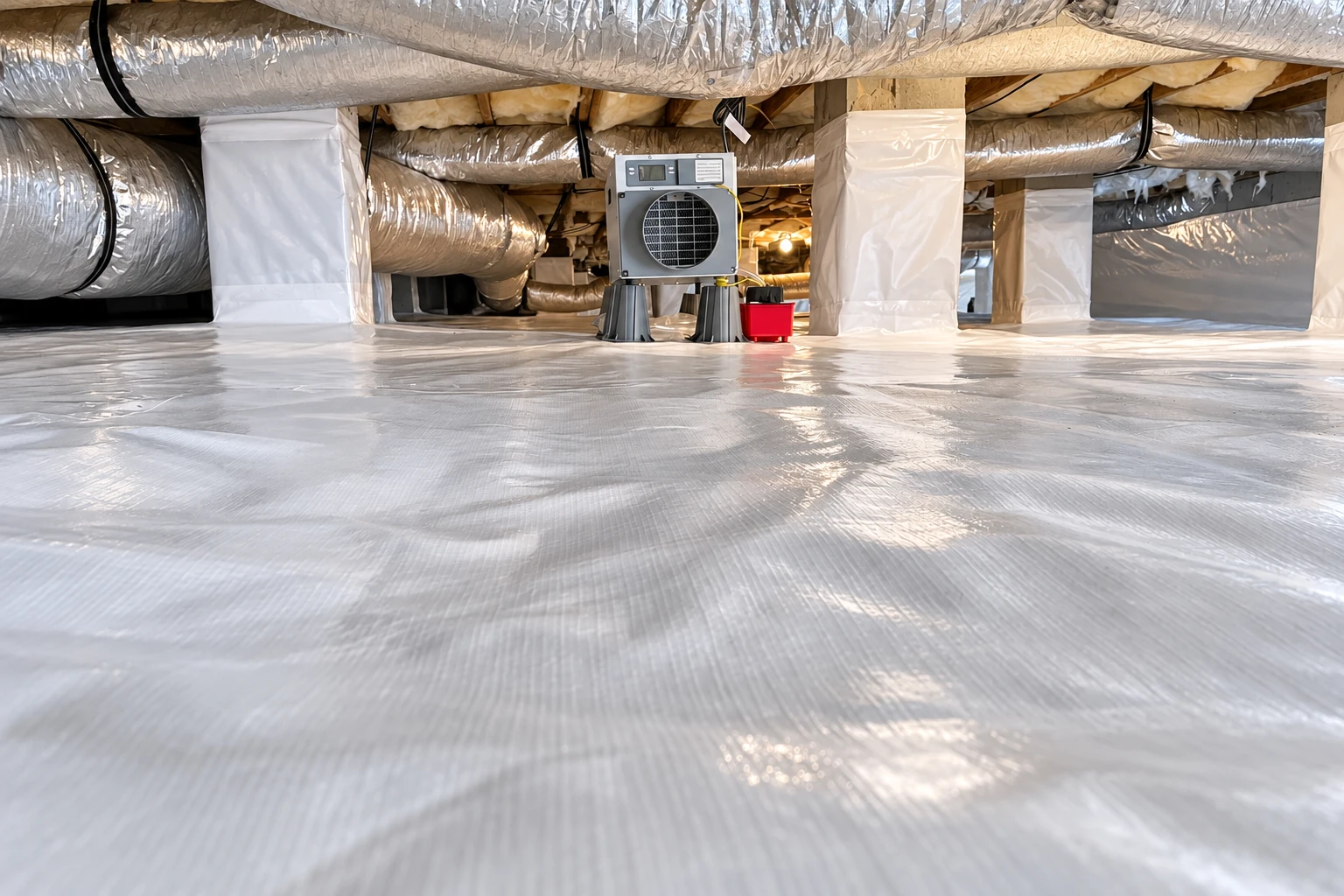
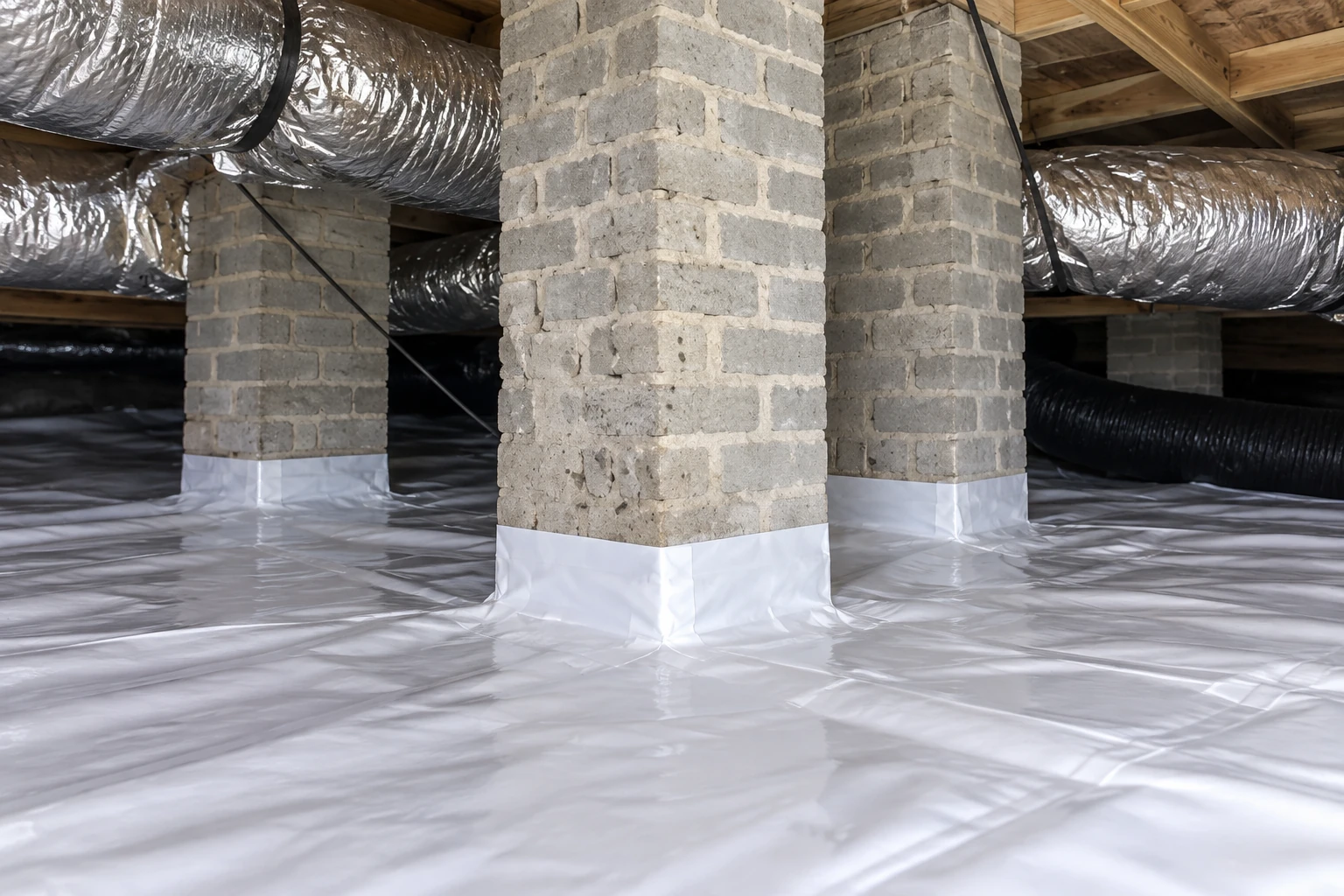
Vapor barrier installation in Bozeman, MT means covering the dirt floor of your crawl space with one continuous plastic sheet, sealed at the seams and edges, so moisture from the ground is kept out of the space under your floors. Contractors also call it a vapor retarder.
Most calls start with cold floors, a musty smell, or a crawl space nobody has looked at since the house was built. We're Advanced Bozeman Insulation Company, based in Bozeman and working in the cities around it. Montana requires construction contractors to be licensed with the state Department of Labor & Industry, and we're fully licensed and insured.
The price mostly turns on the size of the crawl space, whether water has to be dealt with before the plastic goes in, and whether you want a heavier sheet where someone reaches equipment. Those same things set the schedule, since any drainage work has to finish before we start, and your written estimate lays out both for your house.
- One continuous plastic cover across the crawl space floor, with the seams and edges sealed.
- A tougher sheet where you or a technician crawl to a furnace, pump or water heater.
- A written order of work, so water problems are handled before anything gets covered up.
What happens after you call about a vapor barrier?
I look at every crawl space myself before anyone talks price, because what's down there decides the order of work. Here's how it goes from your first call to the walk-through.
Call us or send the form
You call (406) 414-0411 or send the form, and we set a time for me to come out. If you've seen standing water or wet dirt down there, say so, since that changes what I check first.
I look at the crawl space
I crawl the space myself and note anything that has to be fixed first, like wet spots, drainage trouble or equipment that needs a clear path. It's the least glamorous part of my day and the most useful.
You get a written estimate
The estimate says what we'd do, in what order and why, so you see the water work, the sheet and the price before anything starts. If a repair has to come first, it's listed first.
We install and walk through
A small crew led by our lead installer lays and seals the cover, and I'm on most jobs too. When it's done we walk through it with you, or crawl through it if you're game, and clean up after ourselves.
What a sealed crawl space ground cover looks like
These photos show this kind of work: plastic laid across the dirt, taped seams and edges run up the walls. They're here so you know what to look for when you peek through your own crawl space hatch.
Thick white spray foam coats the underside of a roof, covering the rafters and a crossbeam.
White spray foam fills the roof framing around exposed wooden beams and bundled black cables.
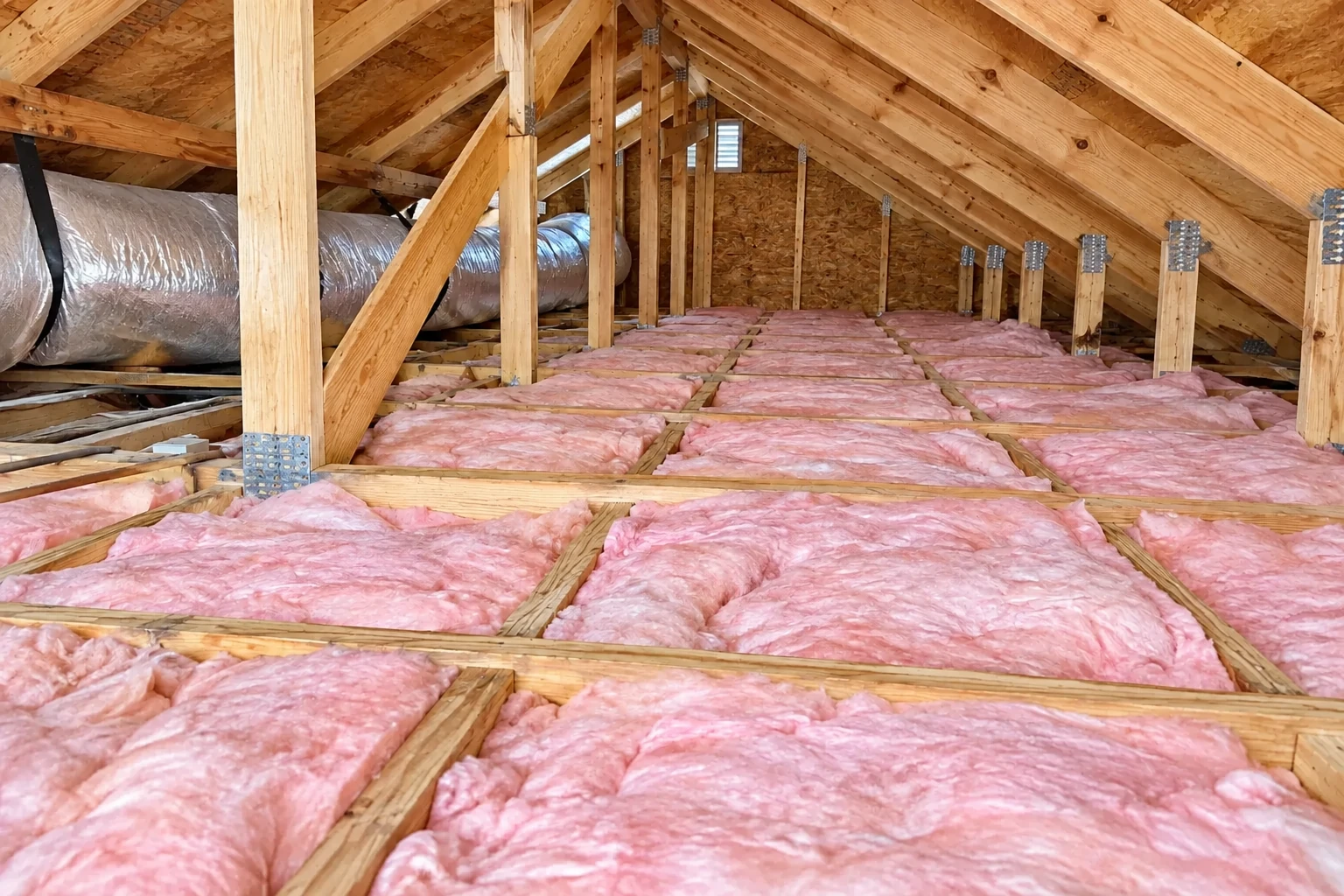
Loose-fill insulation blankets an attic floor beneath exposed wooden roof trusses.
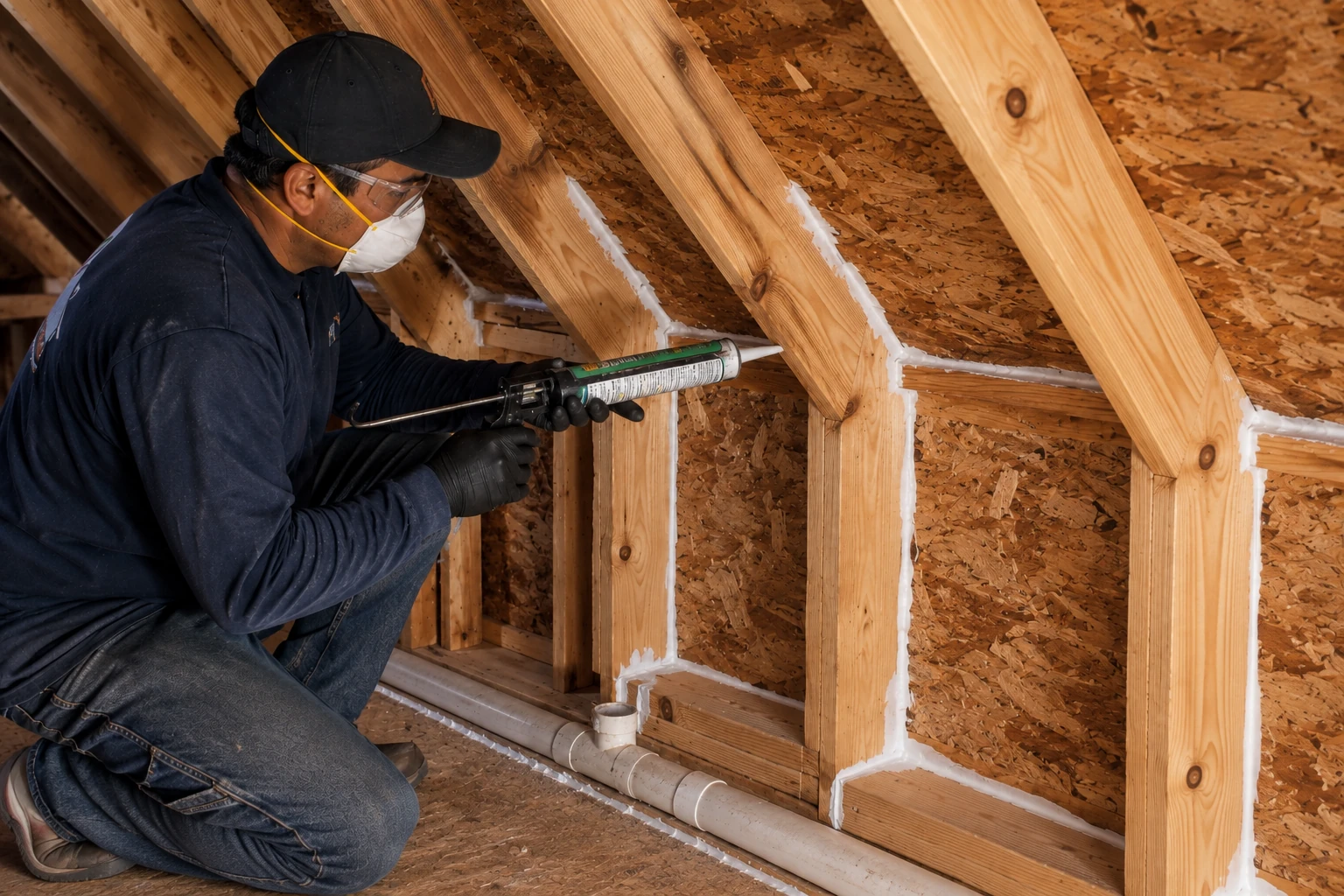
White spray foam covers the roof sheathing between exposed wooden trusses in an attic.
A worker in protective gear guides a large hose through loose attic insulation during removal.
A crawl space has a white vapor barrier across the floor, insulated walls, black ductwork, and exposed plumbing.
Get a written plan for your crawl space vapor barrier
Send the form or call (406) 414-0411, and we'll reply within one business day to set up a free, no-obligation look at your crawl space. Have its rough size, any wet spots and any equipment down there in mind.
(406) 414-0411Questions Bozeman homeowners ask about crawl space vapor barriers
These are the questions I hear most once someone has looked under the house. I give the short answer first, then what it means for your crawl space.
Do I need to fix water problems before installing a vapor barrier?
Yes, the water comes first. Federal guidance says drainage and moisture problems in and around a crawl space have to be handled before it's sealed and insulated, so the space stays dry once it's closed up. That puts any drainage repair at the front of your plan and your budget, and I'll note it at the estimate.
Is thicker vapor barrier plastic worth it in a crawl space?
It's worth it where people crawl to equipment. Closed crawl space guidance says thicker, reinforced polyethylene holds up better than 6-mil unreinforced plastic, which needs protecting anywhere someone reaches equipment for service. If your furnace, water heater or pump lives down there, we'll talk about the sturdier sheet for those areas.
How much does a crawl space vapor barrier cost in Bozeman?
Sealing a 1,500 sq ft crawl space with a 12-mil vapor barrier and a dehumidifier usually costs about $4,700 to $8,700 per job in Bozeman. That's full encapsulation with a dehumidifier, which covers more than a barrier-only job. Your crawl space size, any water repairs and your sheet choice set your own figure, and the written estimate gives it to you.
How do I get my crawl space ready for a vapor barrier?
Clear out stored boxes and loose debris before the crew arrives, so the plastic can cover the ground fully. If something's too heavy to move or you're not sure what's down there, tell me at the estimate and we'll plan around it.
How do I ask the City of Bozeman about building code for my project?
Book an appointment with a residential plan examiner. The city's building department offers them daily, booked through Vagaro, for building code or permit questions about your own project. It's a good way to get an answer straight from the people who review the work.
Should I test my Bozeman house for radon?
Testing is the only way to know your home's radon level, according to Montana DEQ, and Gallatin County offers short and long term test kits. It's a separate step from the vapor barrier, and an easy one to take while you're already thinking about what's under the house.
Vapor barrier installation in Bozeman and the cities around it
The City of Bozeman inspects work that gets covered up, so we ask the building office about every job and handle the permit when one's needed. We follow the same order in Belgrade, Four Corners and Livingston.