Insulation removal in Bozeman MT - old insulation out and the attic ready for new
Cold rooms and an attic full of tired old insulation? We clear it out carefully so sealing and new insulation can do their job.
Does your old insulation need to come out first?
Insulation removal in Bozeman, MT clears old insulation out of your attic, crawl space or walls so the gaps underneath can be sealed and new insulation can work the way it should.
Most calls start with a cold room, a hot upstairs or an attic nobody's looked at in years, and what's up there is often thin, packed flat or piled over gaps that were never sealed. Before anything comes out, I check whether it's vermiculite, because the EPA advises treating it as if it contains asbestos and leaving it undisturbed unless a trained professional handles it. With ordinary old insulation, the price moves with how much there is, what kind it is, how easy the space is to reach and how much is stored on top of it. The schedule mostly turns on access and on whether new insulation or attic air sealing follows right behind. Your written estimate lays out what we'd remove, what comes next and in what order.
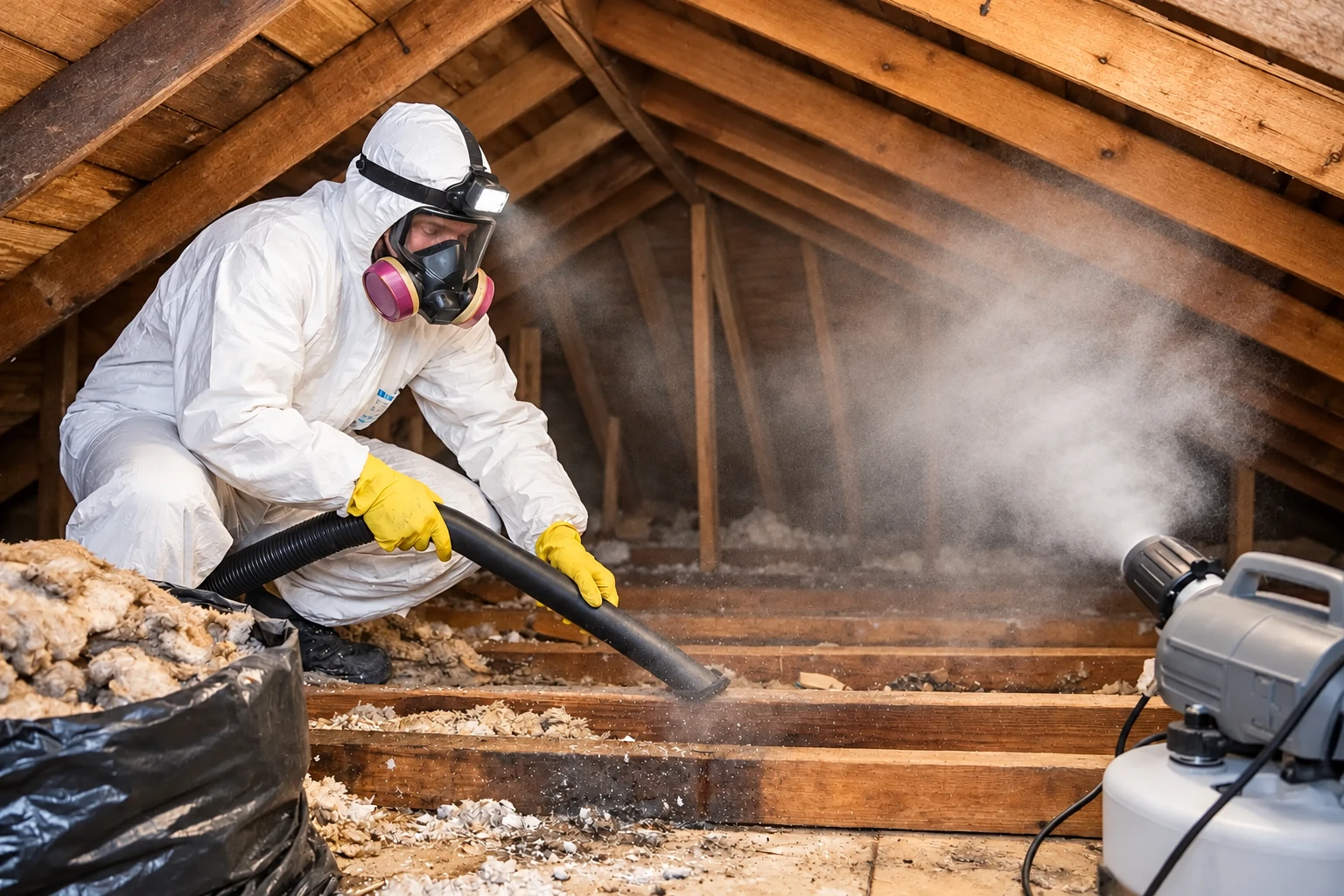
- We bag old batts and vacuum out loose fill, clearing the space back to bare framing.
- If it looks like vermiculite, we leave it undisturbed and explain your choices instead.
- Montana requires construction contractors to hold a state license, and we're fully licensed and insured.
What happens when you call us about insulation removal in Bozeman?
Here's how a removal job runs from your first call to the walkthrough. I do the look myself, so the person who writes your estimate is the one who's been in your attic.
Call or send the form
Tell us where the insulation is and what it looks like from a look that leaves it alone. We'll set a time for me to come out.
I look at the space
I check the attic, walls, crawl space or basement and note anything that has to be fixed before new insulation goes in. If it looks like vermiculite, I stop there and talk you through your options instead of poking at it.
You get a written estimate
It says what we'd remove, what we'd do after and in what order, with the price for that work before anything starts. Having the order on paper also makes it easy to compare us with anyone else.
We clear it and walk through
A small crew led by our lead installer does the removal, and I'm on most jobs too. We work around your things, clean up after ourselves and walk through the finished space with you.
What old insulation and a cleared attic look like
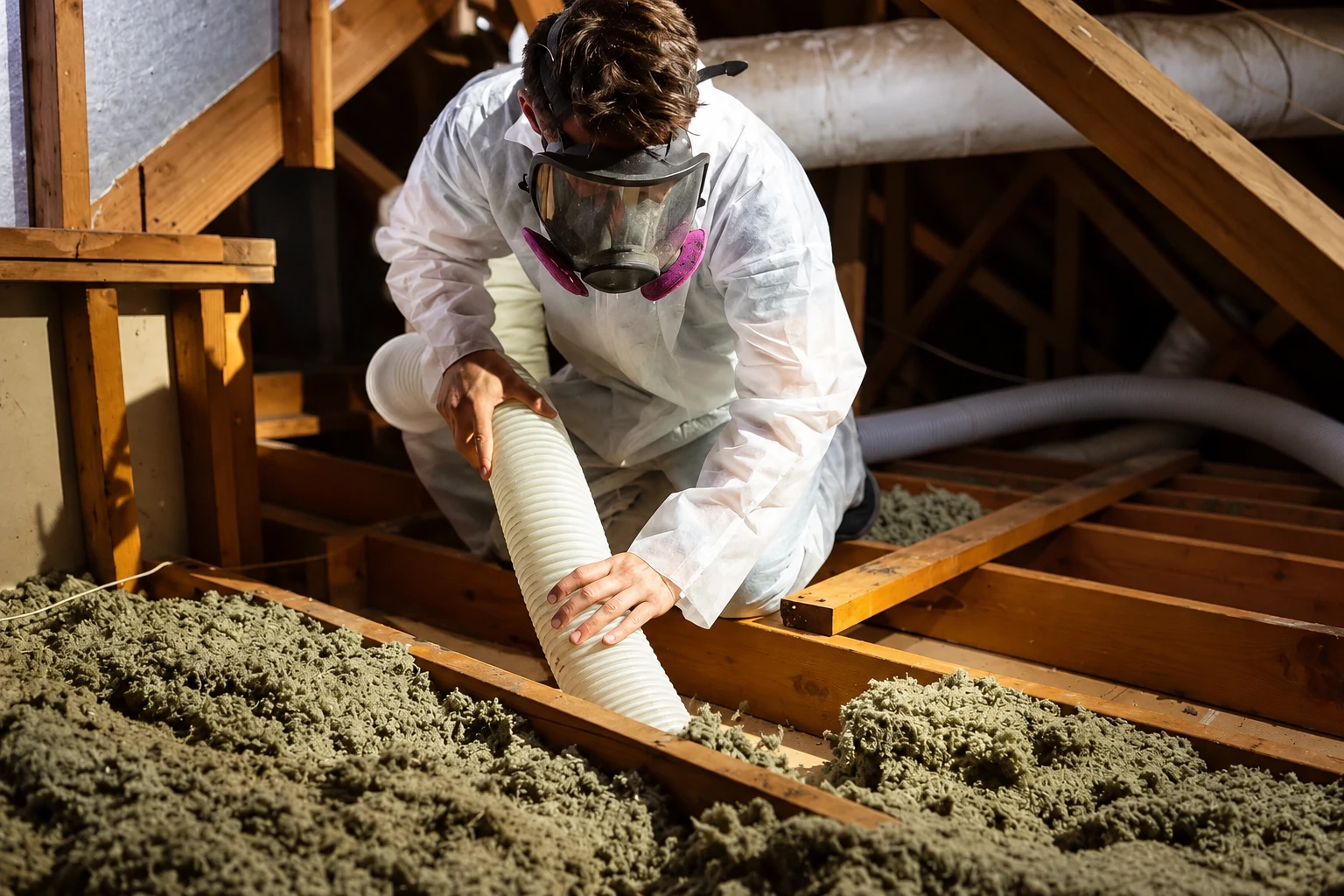
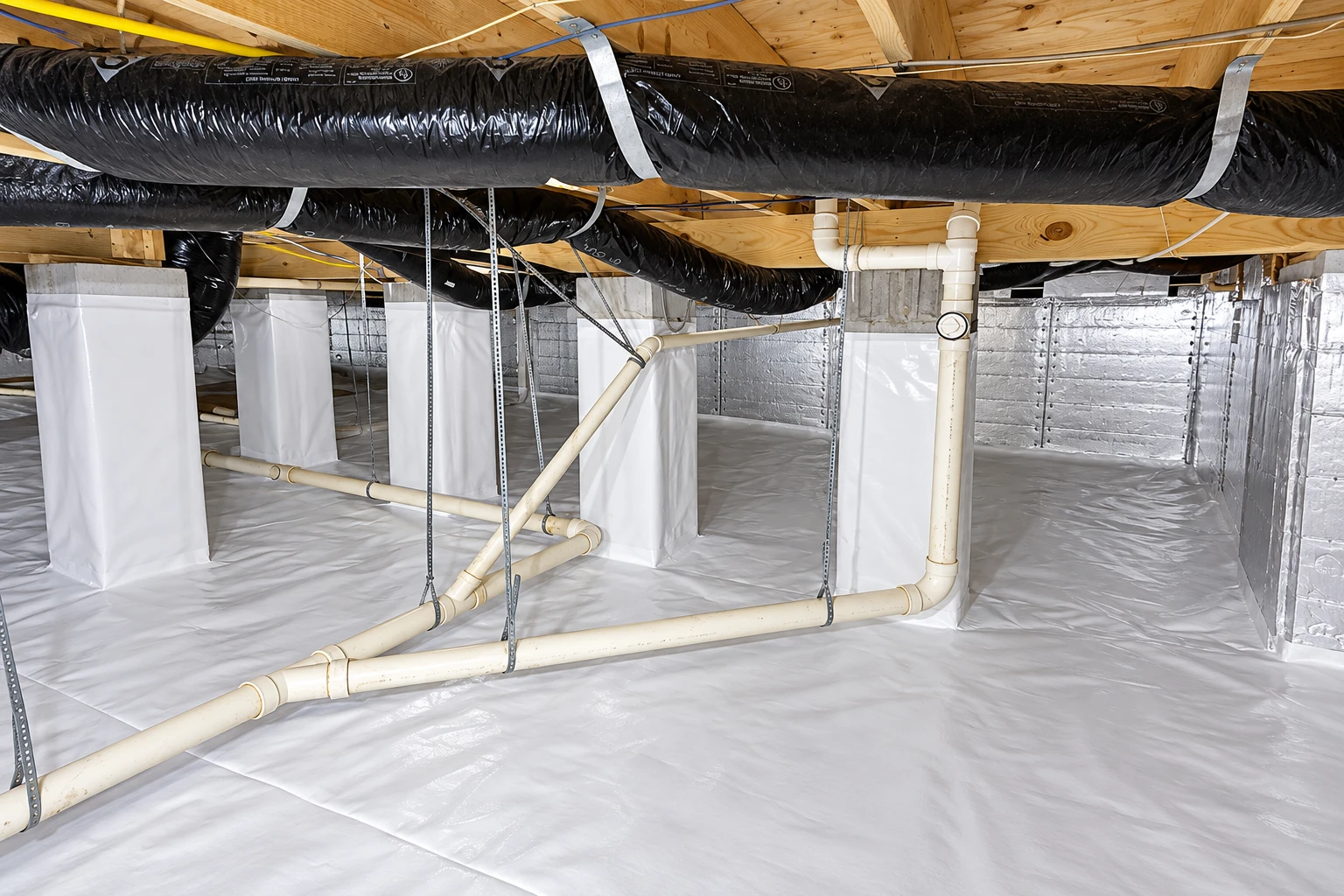
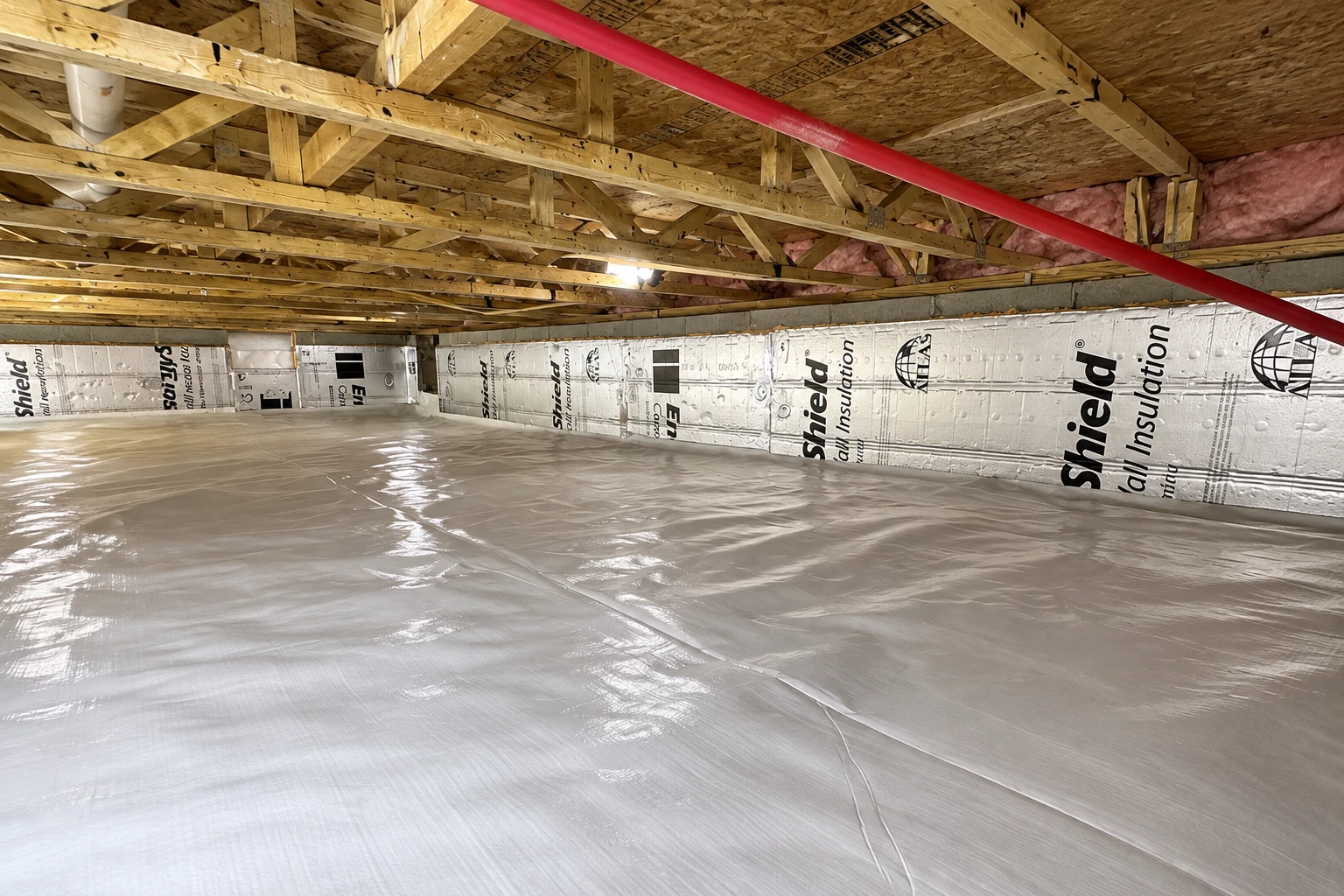
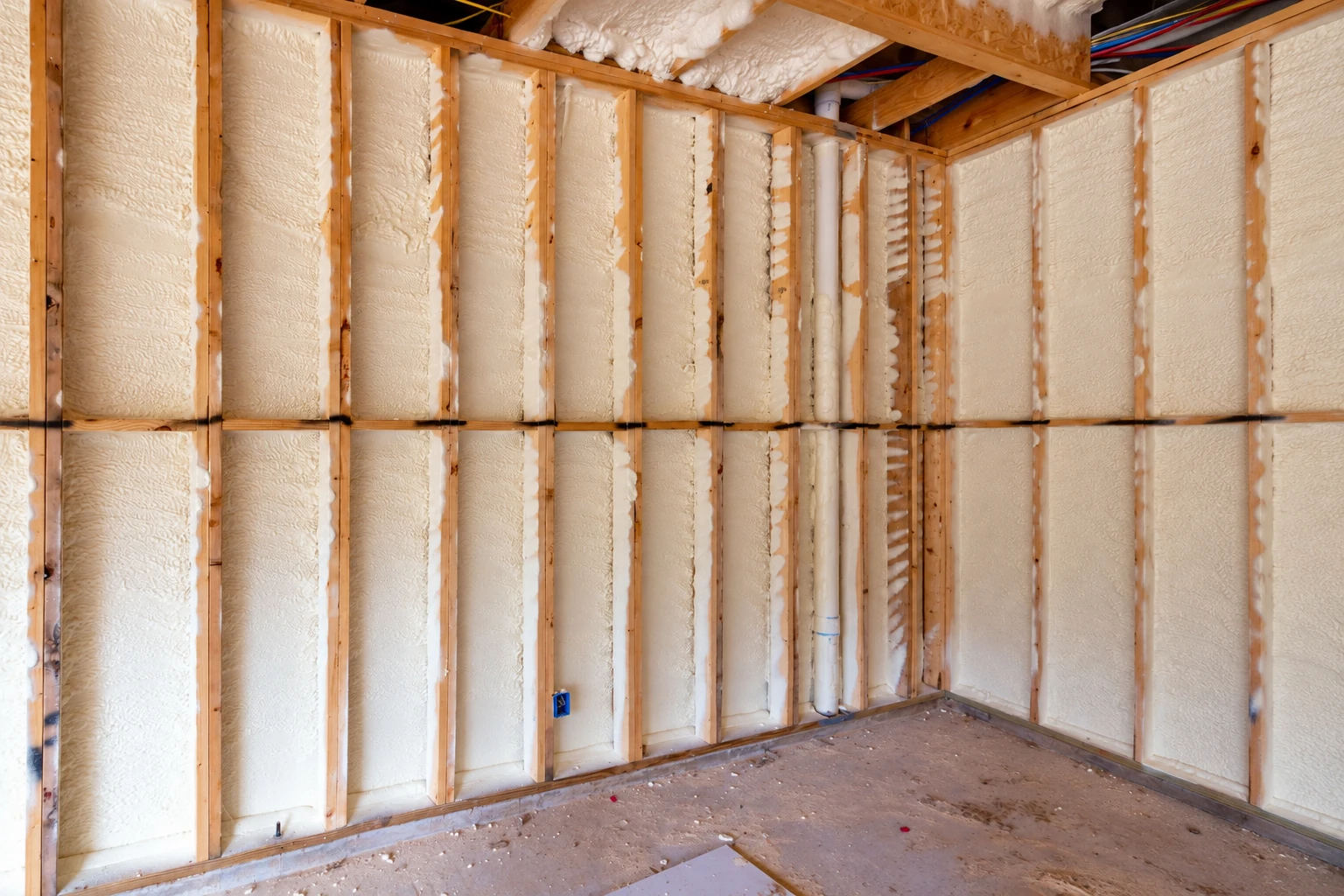
These photos show the kind of attics and crawl spaces we work in, from packed-down loose fill to bare framing ready for sealing. They show the trade in general, not a particular house.
Thick white spray foam coats the underside of a roof, covering the rafters and a crossbeam.
White spray foam fills the roof framing around exposed wooden beams and bundled black cables.
Loose-fill insulation blankets an attic floor beneath exposed wooden roof trusses.
White spray foam covers the roof sheathing between exposed wooden trusses in an attic.
A sloped attic is coated in thick white spray foam around a central support post and small window.
A basement has insulated walls and ceiling, exposed ductwork, windows, and utility equipment.
Get a free on-site estimate for insulation removal
Call or send the form with where the insulation sits and how it looks, without disturbing it, and we'll reply within one business day. I come out free, with no obligation, and you get a written estimate.
(406) 414-0411Common questions about insulation removal in Bozeman
These are the questions we hear most when someone has old insulation they're unsure about. A few come down to asbestos rules, so we've kept those answers to what you need to act on.
How do I tell if my attic insulation is vermiculite?
Vermiculite is a pebble-like, pour-in fill, usually gray-brown or silver-gold, sitting loose between the joists. The EPA asks owners to look at it without touching or stirring it, so check from the hatch and leave it be. If it matches, call us and describe it, and we'll talk through your options.
How much does insulation removal cost in Bozeman?
There's no set price, because it turns on how much insulation is up there, what kind it is and how hard the space is to reach, and you'll see the figure in a written estimate after I've looked. With vermiculite, a federal homeowner guide notes that repair costs less than removal, so it's worth weighing the two before you choose.
How do I find someone to remove vermiculite insulation in Montana?
Hire a trained, accredited asbestos abatement contractor, and the EPA advises choosing one that's a separate company from whoever assessed the insulation. Splitting the two keeps anyone from recommending work they'd profit from. We don't do that work, but I'll explain where it fits in your plans.
Where can asbestos insulation be disposed of in Gallatin County?
Logan Landfill takes non-friable asbestos only with prior approval from management, and it doesn't take friable asbestos, the kind that crumbles easily, at all. Loads with asbestos need the Gallatin Solid Waste Management District's Waste Tracking Form, and the district asks people to learn the difference between the two first. Disposal is normally part of the accredited contractor's job.
Do I have to leave my house during insulation removal?
Usually not for ordinary fiberglass or cellulose, since the work stays in the attic or crawl space and we cover the path we use through the house. The hatch area gets dusty while we work, so kids and pets are happier in another room until we've cleaned up.
Where did vermiculite attic insulation come from?
Most US vermiculite insulation came from a mine near Libby, Montana, and that vermiculite was contaminated with asbestos. It was often sold as Zonolite, so if you spot that name on an old bag in the attic, mention it when you call.
Insulation removal in Bozeman and the cities around it
The state requires a permit to remove more than 10 square feet of asbestos material where its rules reach a home, and we check each job with the city's Building Division and handle any permit ours needs. Most attics we open around here are packed flat and never sealed.