Air sealing services in Bozeman MT - rooms that stay warm when the wind blows
Drafty rooms, cold floors or a power bill that keeps climbing usually mean warm air is getting out. We find the gaps and close them.
Why is my house still drafty with insulation in the attic?
Air sealing services in Bozeman, MT close the gaps where warm air slips out of your house, around ducts and fans and wherever pipes, vents, wires and light fixtures pass through the outside walls, so the heat you pay for stays inside.
Most calls start with a cold room over the garage, a drafty house or an attic nobody's looked at in years. There's often insulation up there already, but air is leaking through gaps underneath it, so the insulation is fighting a draft it can't win. That's why sealing usually comes before any new attic insulation.
The price depends on how many leaks there are, how easy the attic is to get around in and what has to be fixed before we seal, and those fixes are usually what the schedule waits on too. After I've looked, you get a written estimate that says what we'd do, in what order and why.
- We seal around pipes, wires, fans, ducts and light fixtures where they pass into the attic.
- The attic hatch gets sealed and weatherstripped, since it's one of the bigger holes up there.
- We keep the eave vents clear so the attic can still breathe once it's sealed.
What happens after you call us about air sealing?
I look at every air sealing job myself before anyone writes up a price. Here's how it goes from your first call to the walkthrough at the end, with a small crew doing the work.
Call us or send the form
Call (406) 414-0411 or send the form, and tell us what you've noticed, like a cold room or a drafty hallway. Let us know if you heat with gas or oil, because that changes how we plan the job.
I look at the house myself
I go up in the attic, and into the crawl space or basement if that's where the trouble is, and note anything that has to be fixed first. Nothing gets sealed over until it's sorted out.
You get a written estimate
It lays out what we'd do, in what order and why, so you know what you're paying for before any work starts. If something has to be repaired first, it's on there, not a surprise later.
We seal, then walk through
A small crew led by a lead installer does the work, and I'm on most jobs too. When it's done, we walk through it with you and leave your house picked up, minus the drafts.
What air sealing looks like inside an attic
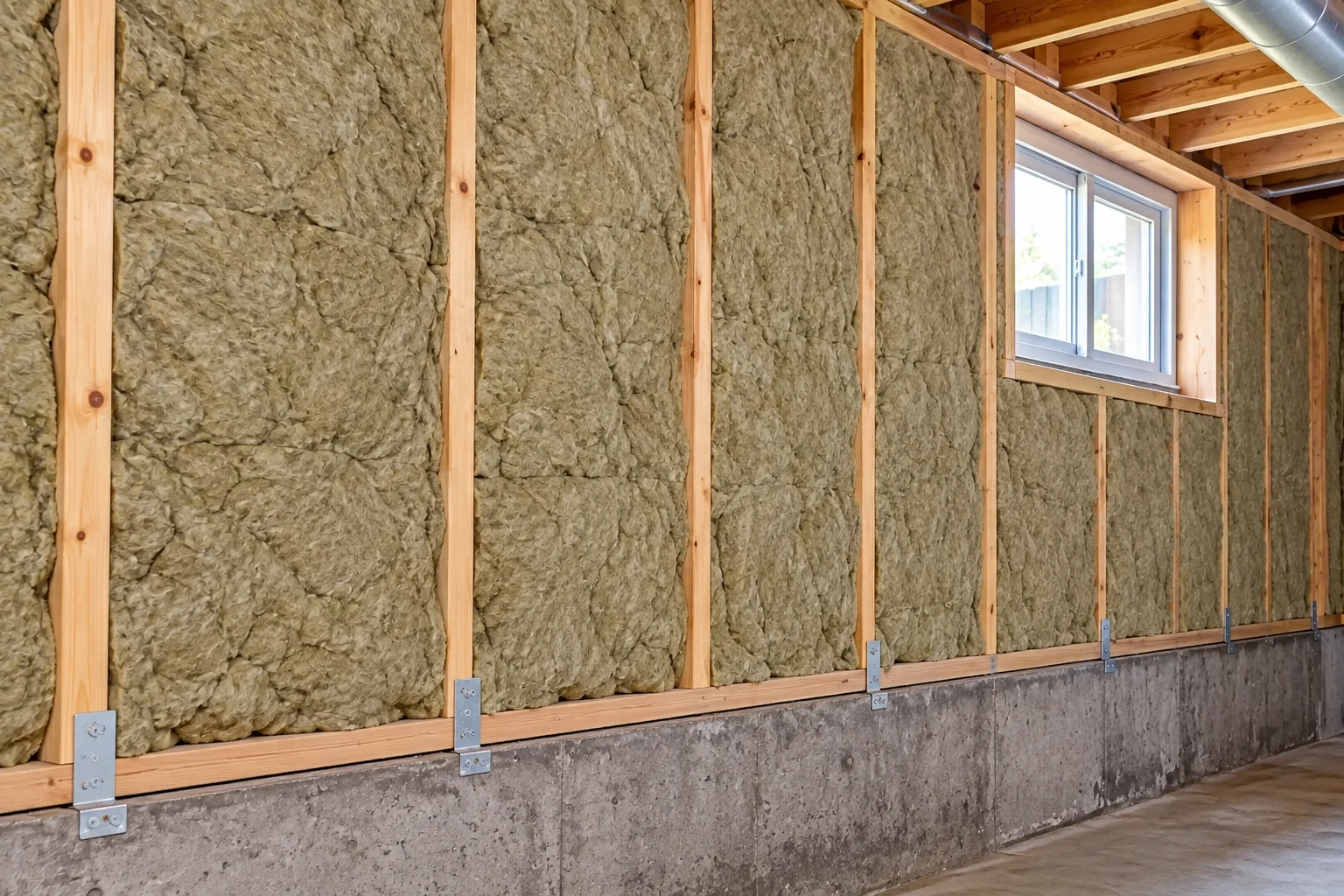
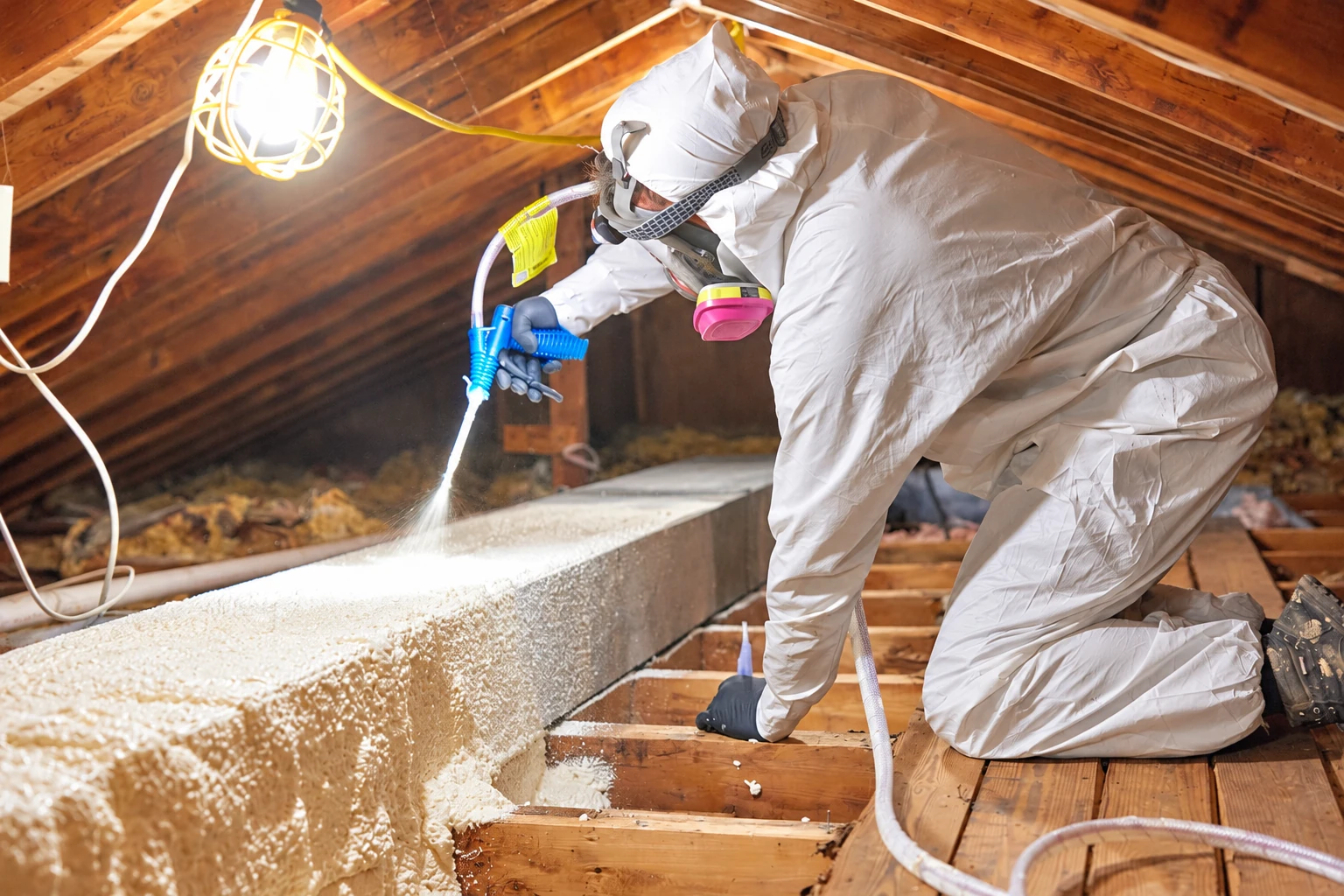
These photos show the kind of work air sealing involves, from sealed wire holes to a weatherstripped attic hatch. They show the trade in general, not one of our own jobs.
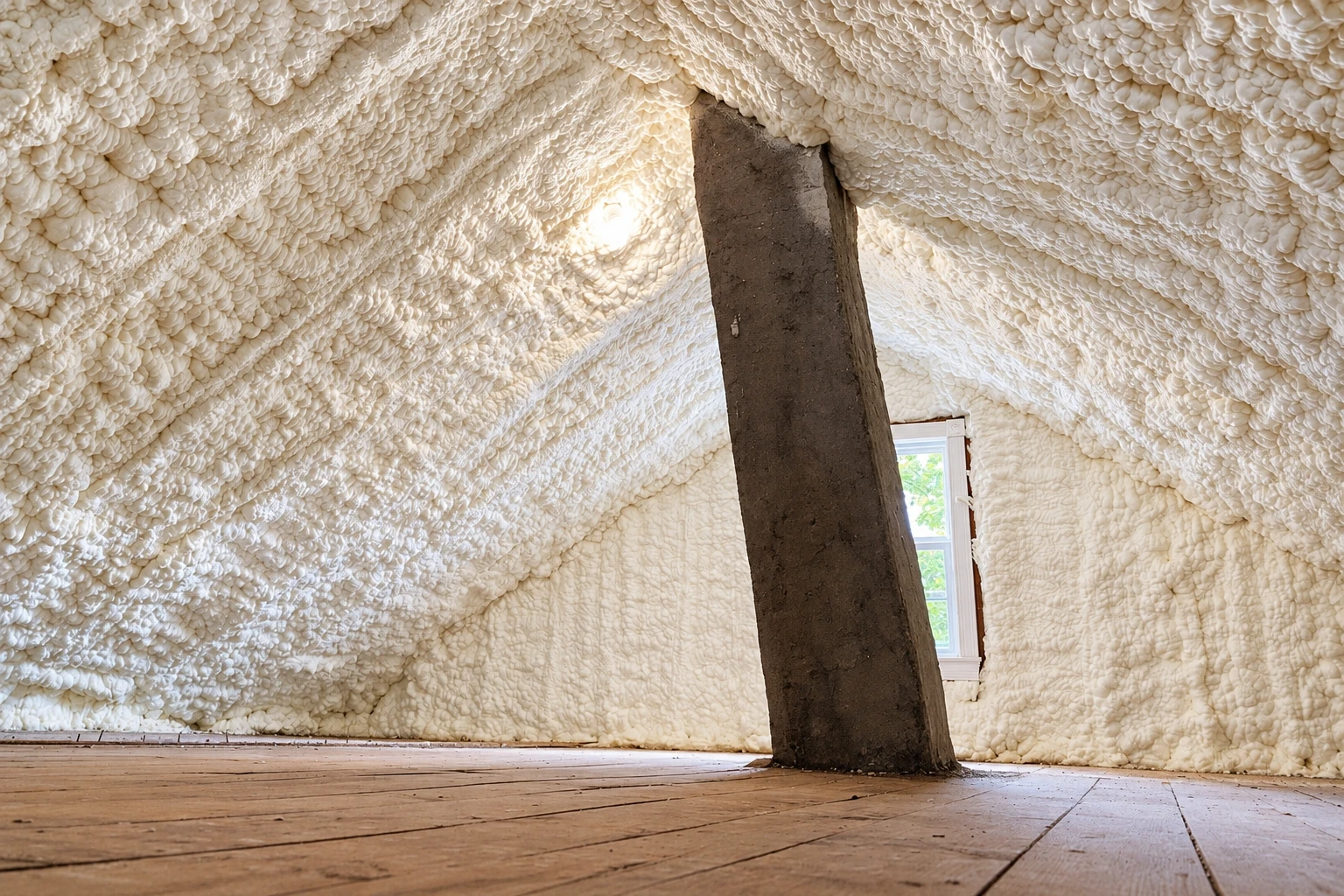
Thick white spray foam coats the underside of a roof, covering the rafters and a crossbeam.
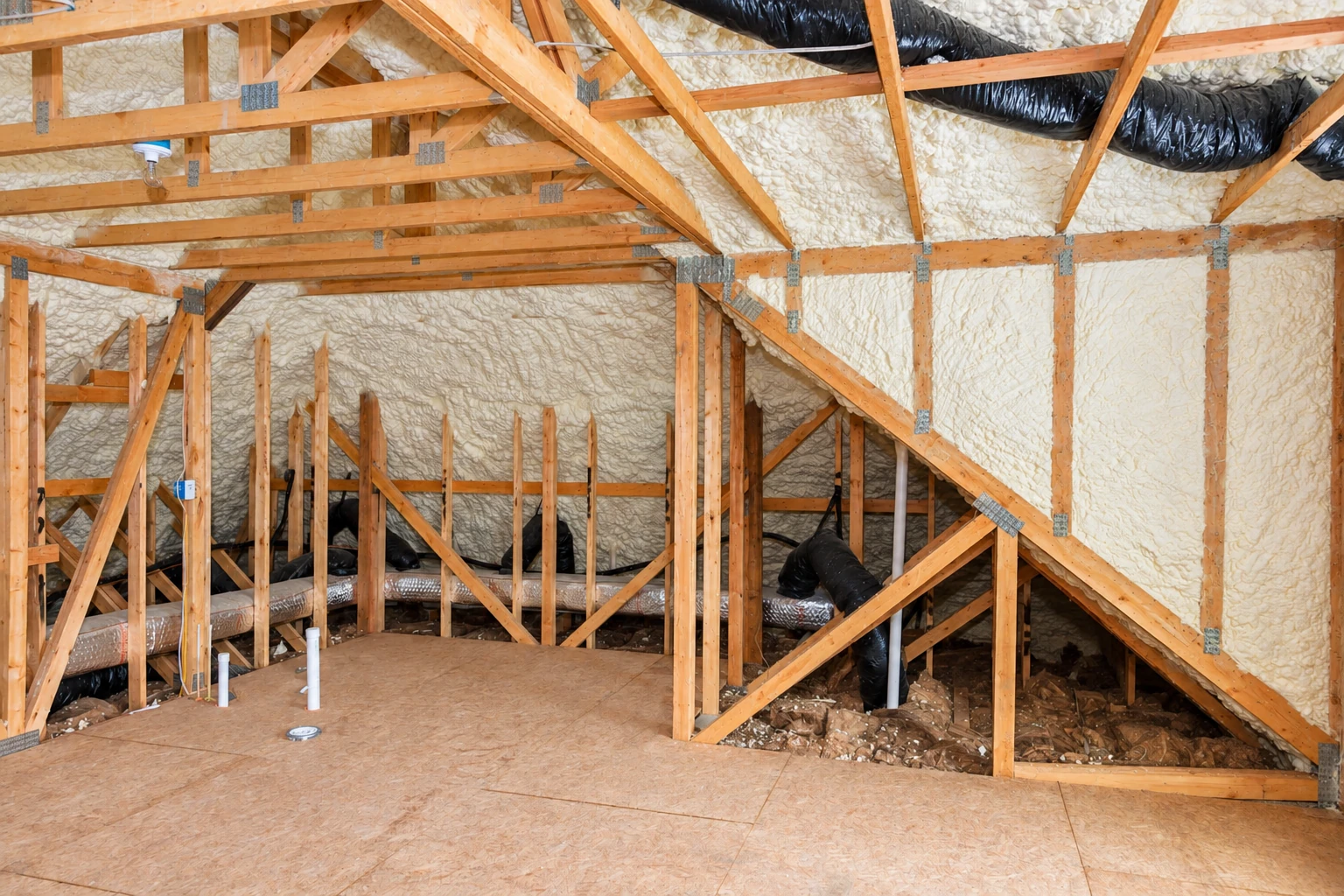
White spray foam fills the roof framing around exposed wooden beams and bundled black cables.
Loose-fill insulation blankets an attic floor beneath exposed wooden roof trusses.
White spray foam covers the roof sheathing between exposed wooden trusses in an attic.
A worker in protective gear guides a large hose through loose attic insulation during removal.
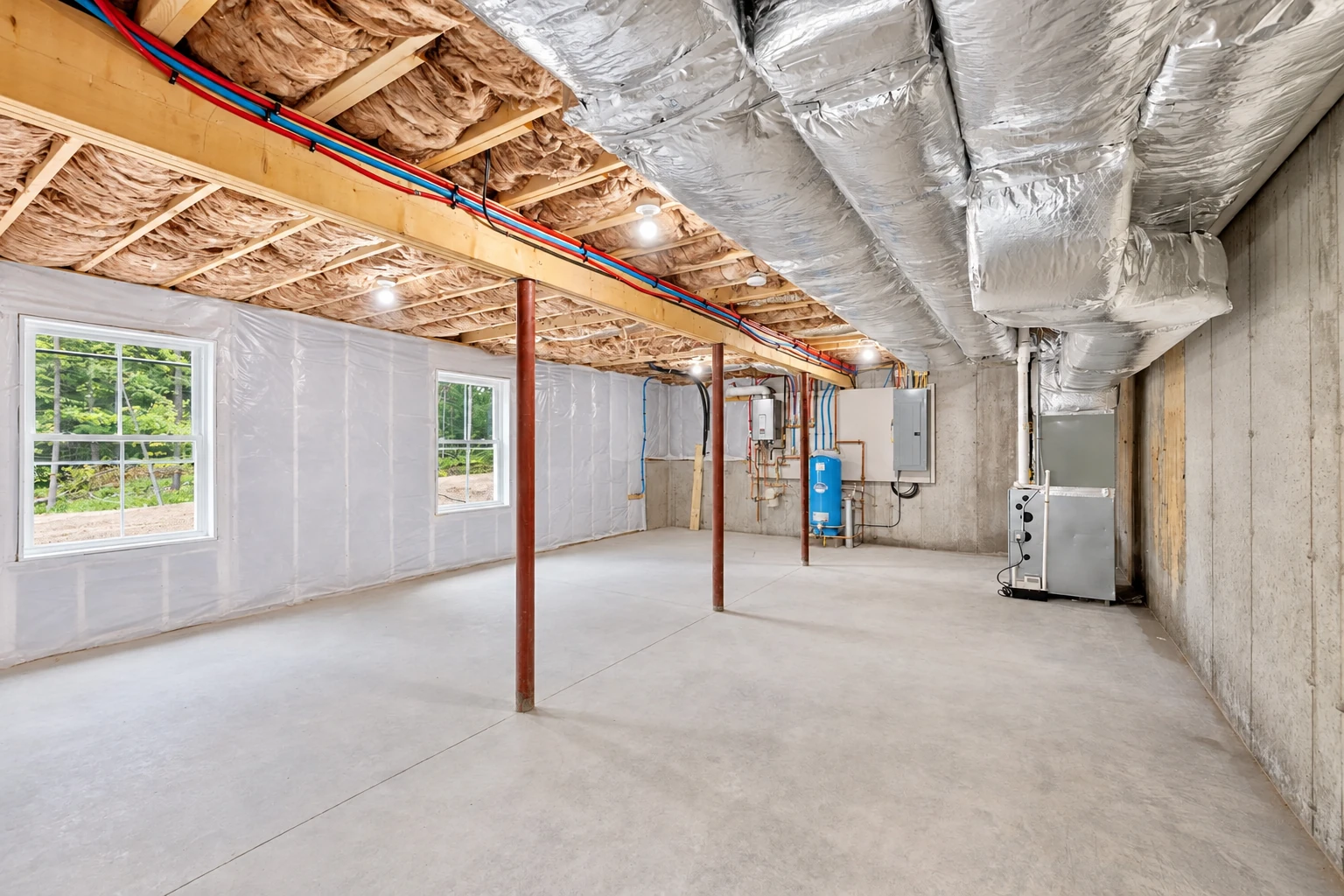
A crawl space has a white vapor barrier across the floor, insulated walls, black ductwork, and exposed plumbing.
Get a written air sealing estimate for your house
Send the form and we reply within one business day to set up a free on-site visit, with no obligation. I'll look at the attic and the rest of the house myself, then write up what we'd do and why.
(406) 414-0411Air sealing questions we hear from Bozeman homeowners
These are the questions people ask most before they book air sealing. If yours isn't here, ask when you call, and I'll answer it when I'm out at the house.
How do I know if my house in Bozeman needs air sealing?
Your house is worth checking if you notice several of the usual signs, which are drafty rooms, uneven temperatures from room to room, high heating bills, ice dams along the roof edge in winter, dry winter air and a lot of dust. A few of them together usually point to leaks. When I come out, I look for where the air is getting out.
Can I seal air leaks myself, or do I need a pro?
You can handle obvious leaks yourself, like a gap around a door frame, but the small hidden ones, especially in an attic under the insulation, need someone trained to find them. A certified home energy assessor uses tools such as a blower door, a big fan that pulls air out of the house so leaks show, and a thermal camera. If you caulk a few cracks yourself, Montana State University Extension advises buying a quality product that still seals well below 0°F and in summer heat.
Is air sealing safe if my house has gas or oil appliances?
It's safe when the appliances are tested, because in some cases sealing can make a naturally venting gas or oil appliance pull its exhaust back into the house. The standard advice is to have those appliances tested before and after the sealing. That's why we ask about them on the first call and build the testing into the plan.
Do I need a permit for air sealing in Bozeman, and does my contractor need a license?
Bozeman's Building Division issues Residential Alteration permits for remodeling an existing home without adding square feet, and its list names remodeling, not air sealing, so the list alone doesn't settle whether your job needs one. For questions about your own project, call the Building Division at 406-582-2375 ext. 1 or email building@bozemanmt.gov. Montana requires construction contractors to be licensed with the state Department of Labor & Industry, and we're fully licensed and insured.
How much does air sealing cost in Bozeman?
The cost comes down to how many leaks there are, how hard they are to reach and what has to be fixed before we seal. A roomy attic with a few open gaps costs less than a tight one where we're crawling over old insulation, and a roof leak or a vent that needs pointing outside adds to the job. You see the full cost on the written estimate before anything starts.
How long does air sealing take, and do we have to leave the house?
Usually you can stay home, since the sealing happens in the attic, crawl space or basement rather than in your living room. How long the crew is up there depends on the size of the attic and how much old insulation we have to move to reach the gaps. If part of the job uses spray foam, we'll tell you ahead of time whether you need to step out and when you can come back in.
Air sealing services in Bozeman and the cities around it
We're based in Bozeman and seal drafty houses in the cities around it, including Belgrade, Four Corners and Livingston. Wherever you live, we check with that city or county building office and handle the permit when one's needed.